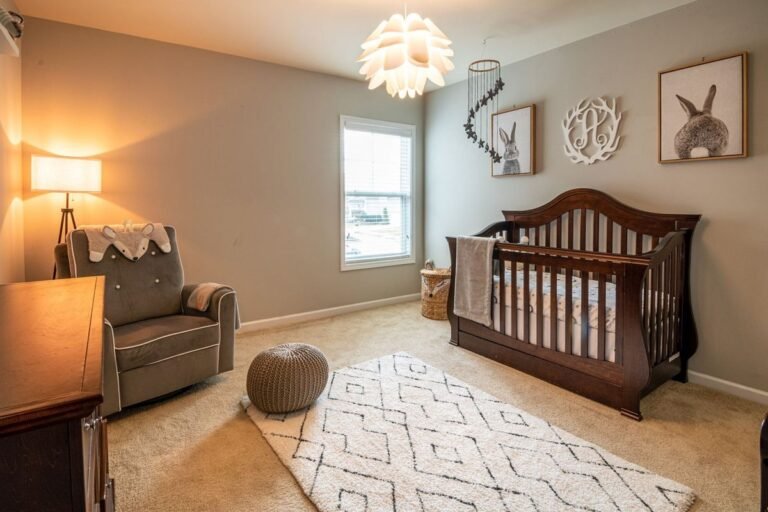
12 Playroom Ideas Kids Love and Parents Can Live With
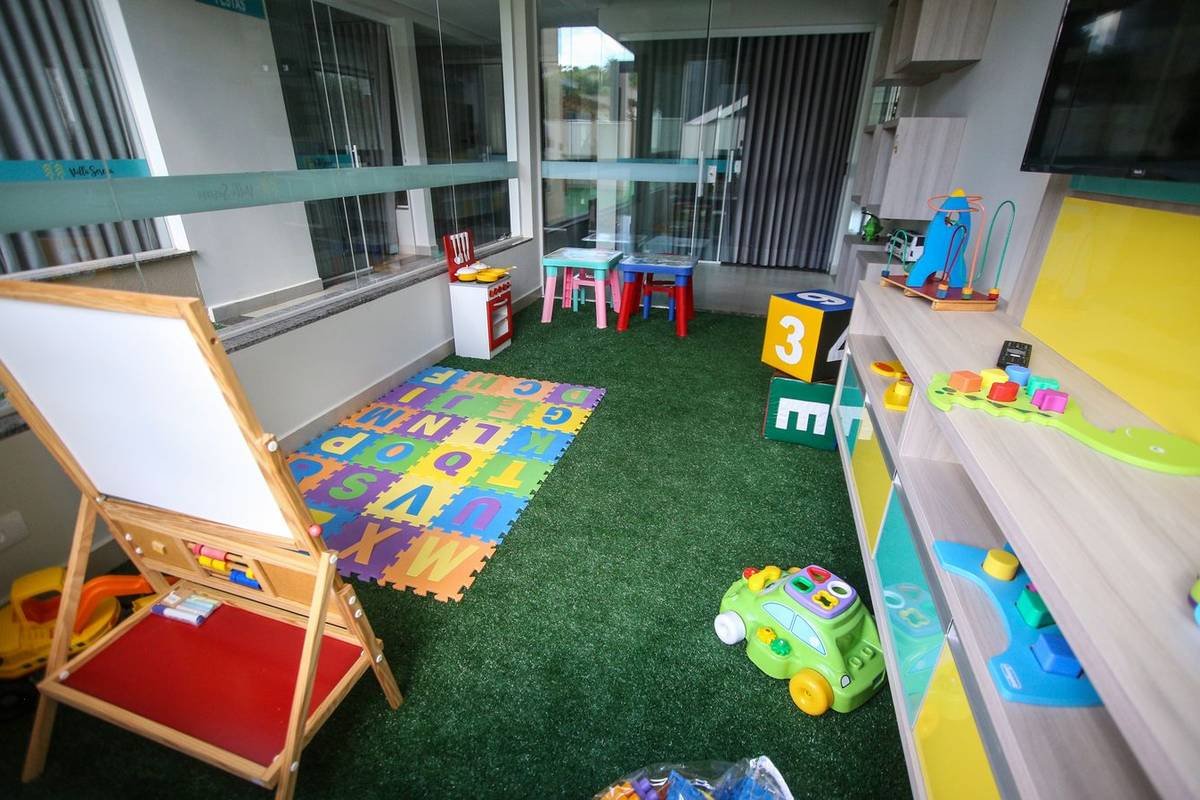
The playrooms that work are not the prettiest ones on the internet. They are the ones where a child can find the blocks without emptying every bin, where paint stays on the table instead of the sofa, and where an adult can walk across the floor at night without stepping on something sharp. Good playroom ideas are really traffic, storage, and surface decisions disguised as decorating, and they hold up long after a theme has been outgrown.
Build the room in that order: zones first, storage second, soft and washable surfaces third, and the fun layer last. A dedicated room helps, but it is not required; a 6 by 8 foot corner planned this way outperforms a whole spare room with toys in a pile. Every idea below includes the size, price, or limit that makes it work in a real house with real kids.
1. Zone the Room by Activity, Not by Toy
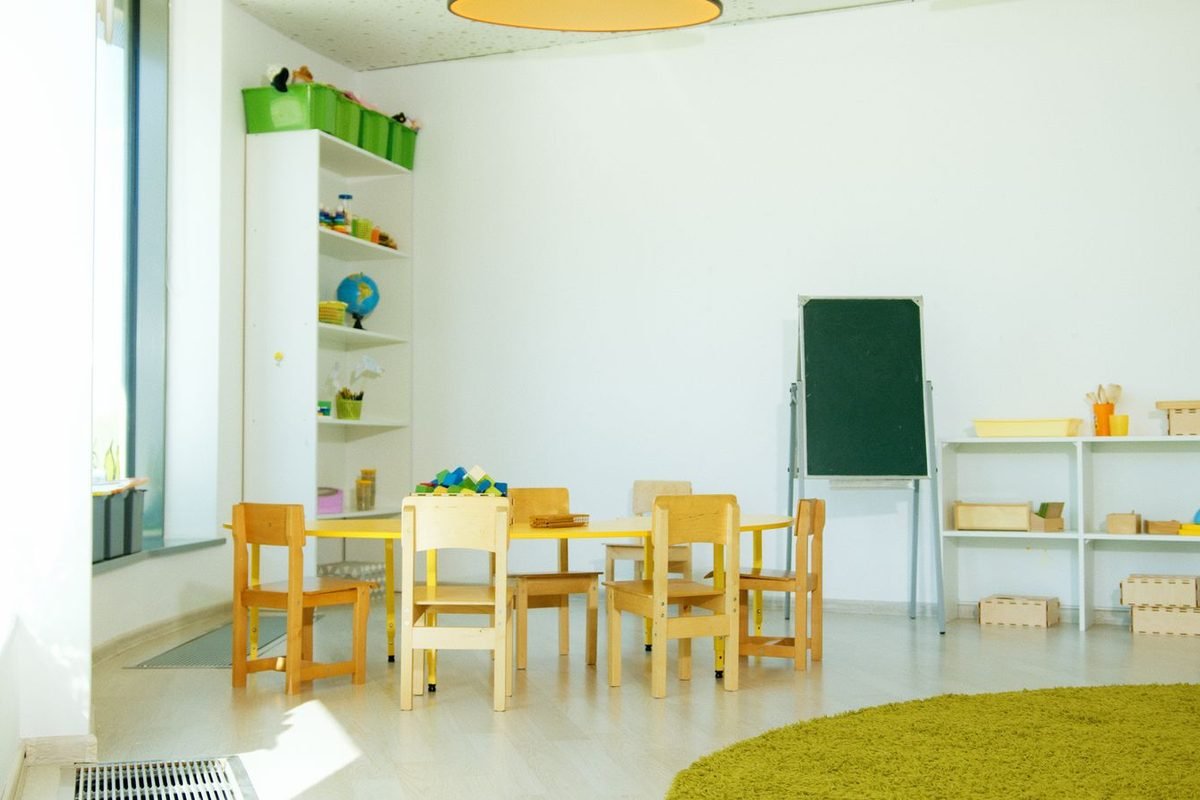
A playroom with no zones becomes one big toy soup. Divide even a small room into three or four clear areas: a building and floor-play zone, a making zone with a table, a quiet zone for books, and an active zone kept free of furniture. You do not need walls; a rug edge, a low shelf used as a divider, and a lamp in the quiet corner are enough for children to read the map. Keep loud and quiet at opposite ends, and leave a clear path at least 30 inches wide from the door to each zone. Before you buy anything, browse the playroom photo gallery on Houzz and notice how the rooms you like are almost always zoned, even when the decor is simple.
2. Put Storage at Kid Height, Where Cleanup Actually Happens
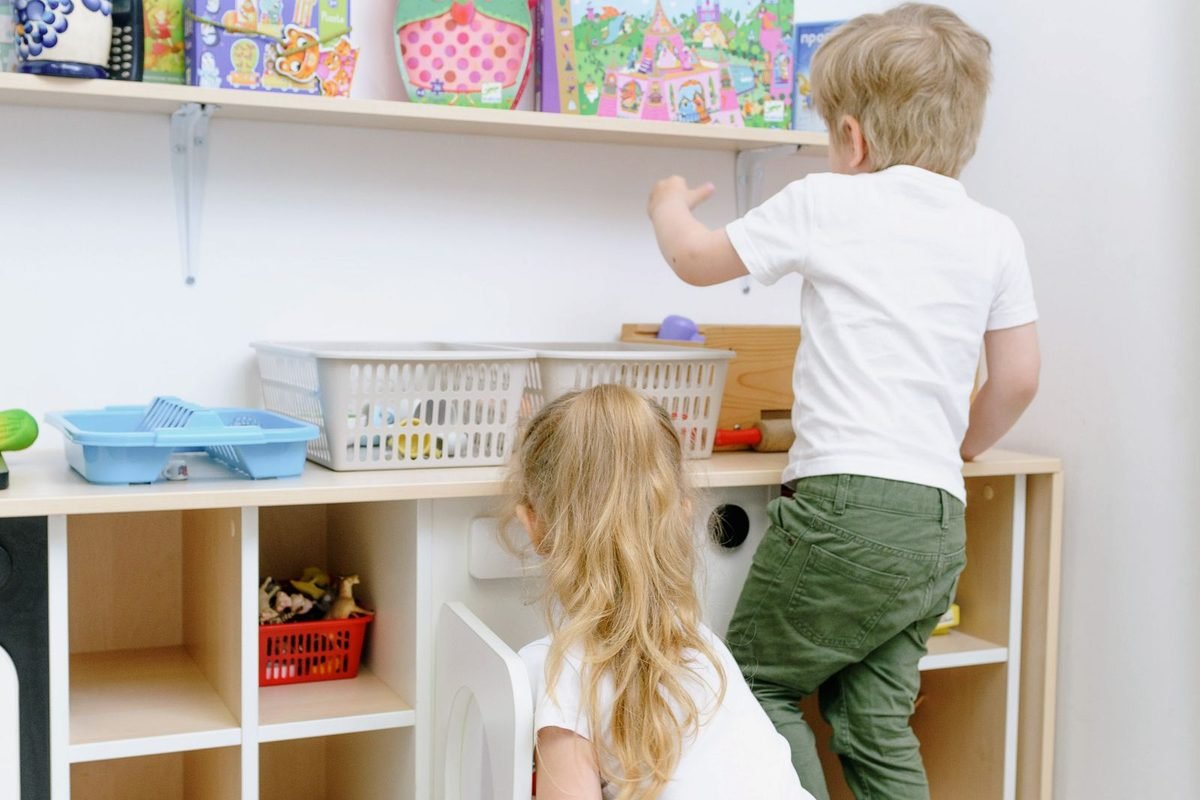
Children tidy up only what they can reach and open without help. Keep everyday storage between 12 and 36 inches off the floor: a low cubby unit 24 to 32 inches high, open bins roughly 12 by 12 inches, and picture labels for pre-readers. Open storage beats lidded boxes for daily toys because nothing has to be unstacked, and a full toy reset should take five minutes, not twenty. Expect $80 to $250 for a solid 8-cube unit plus bins at $6 to $12 each. Reserve high shelves and closed cupboards for puzzles, games with small pieces, and anything an adult should hand out. Our toy storage ideas go deeper on bin systems that survive daily use.
3. Lay a Soft, Washable Floor Before Anything Else
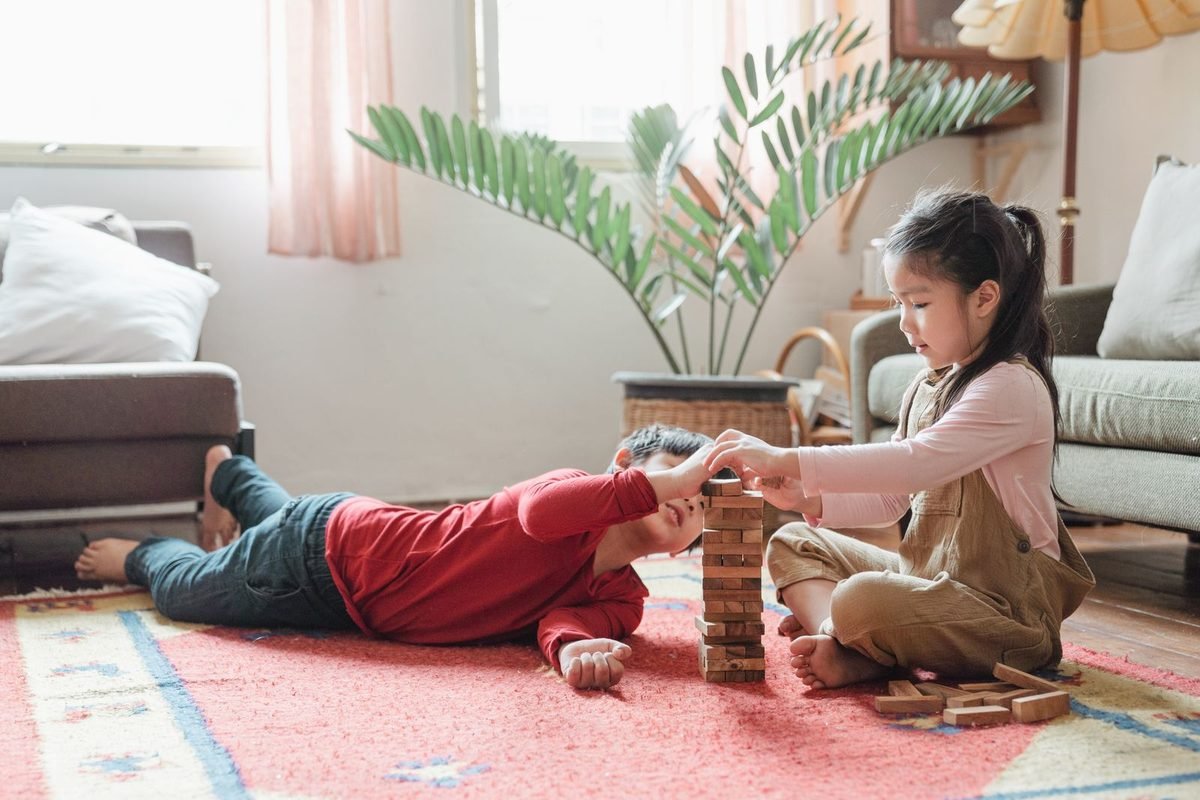
Kids play on the floor far more than on any furniture, so the floor is the room's real foundation. Choose a low-pile, machine-washable rug, 5 by 7 feet for a corner or 8 by 10 feet for a full room, at $100 to $300, or interlocking foam tiles at about $1.50 to $3 per square foot where spills and falls are constant. Low pile matters: tall plush swallows small pieces and is miserable to vacuum. Under climbing or swinging spots, add a mat at least 2 inches thick and keep 3 feet of clear landing space around it. Skip wall-to-wall carpet if you can; a washable layer you can lift, shake, and launder will outlast it in this room.
4. Give Art a Table of Its Own
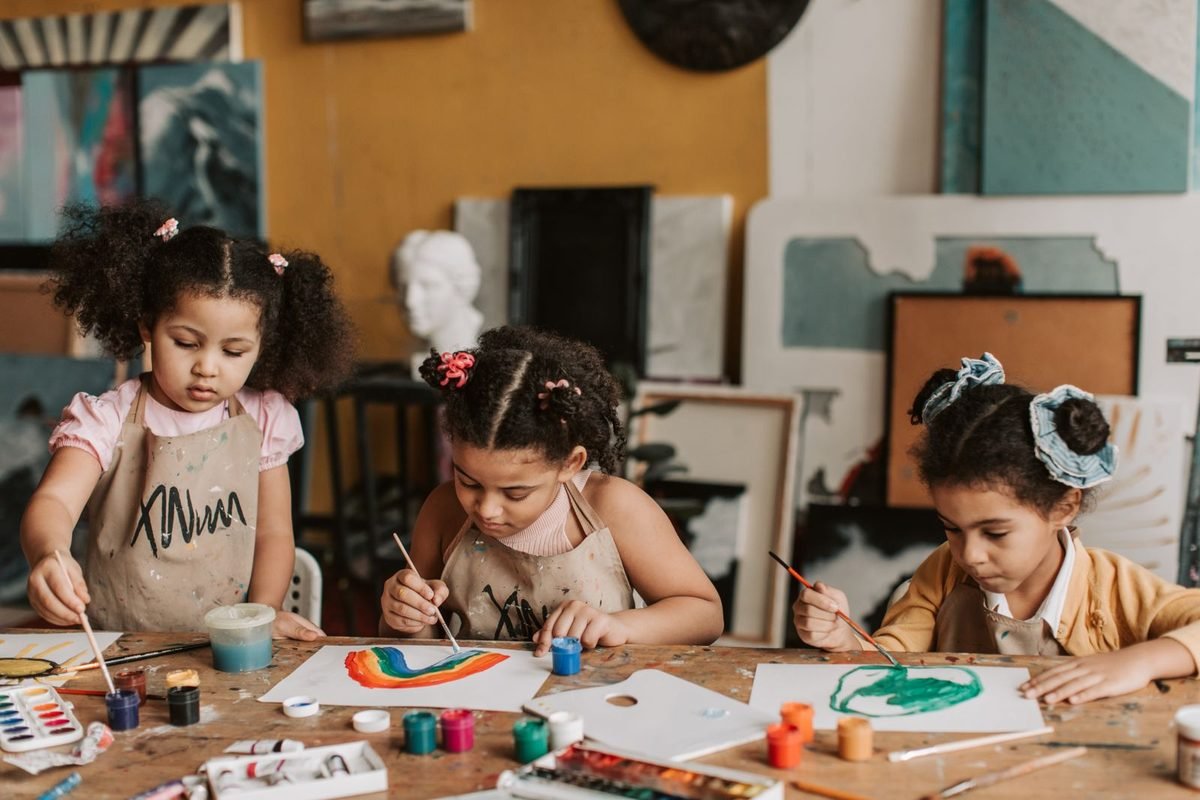
Art supplies migrate unless they have a headquarters. A wipeable table about 20 to 22 inches high for preschoolers, or 24 to 26 inches for early school age, with two to four stools, turns crafts into a contained zone instead of a whole-room event. Allow roughly 24 inches of table edge per child so elbows and paper fit. Keep the kit small and visible: a caddy for markers and crayons, a tray for paper, and one bin for finished work, $40 to $120 all-in for the table setup beyond the furniture. Choose a melamine, laminate, or sealed-wood top and test one marker on the underside first. A washable mat under the table, extending 12 inches on each side, catches the rest.
5. Build a Reading Nook Small Enough to Feel Like a Secret
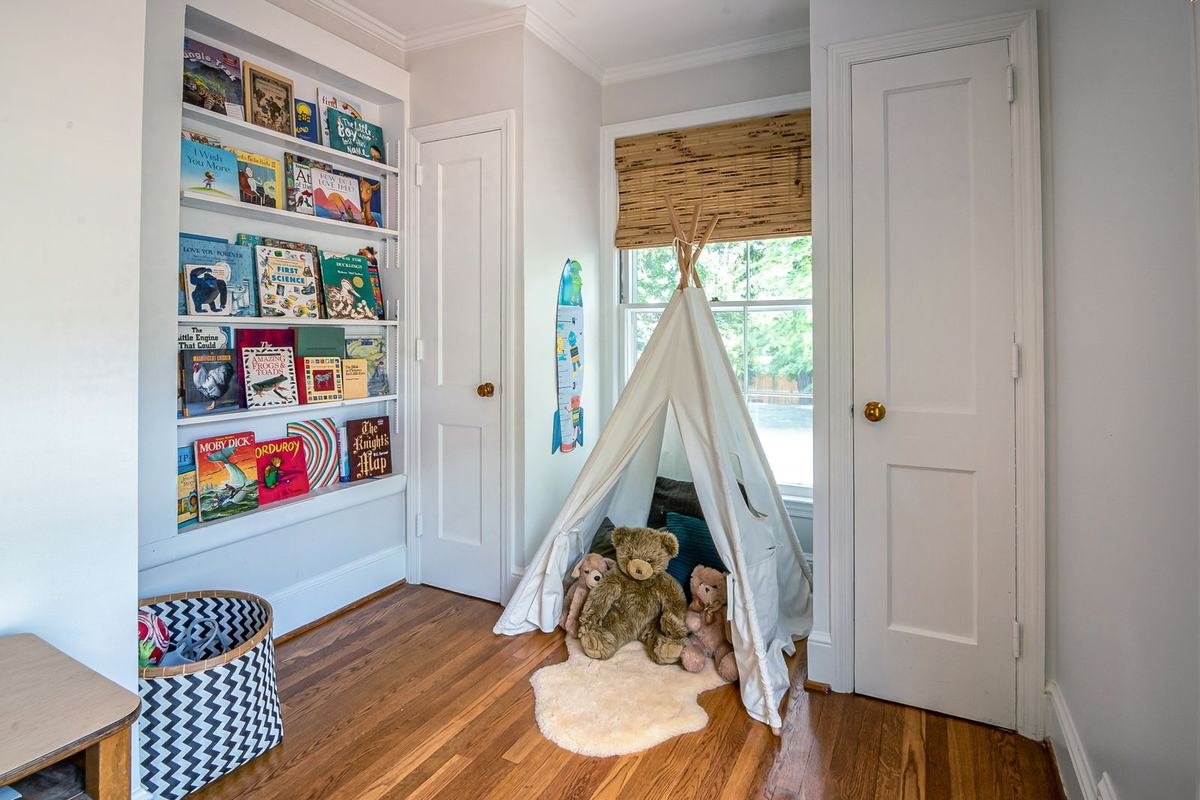
Quiet corners fail when they are just a chair in the open. A reading nook works because it is enclosed and low: a floor cushion or 36-inch bean bag, a canopy, tent, or curtain on one side, and front-facing book storage so covers do the choosing. Front-facing ledges or a sling bookshelf, $30 to $90, hold 10 to 15 books at a time, which is plenty; more becomes visual noise. Place books with spines or covers between 12 and 24 inches high so a seated child reaches them without standing. Add warm light, a battery lamp or a shaded table lamp out of the climbing path. Our reading nook ideas show corner, closet, and under-stairs versions at every size.
6. Make One Wall the Drawing and Display Wall
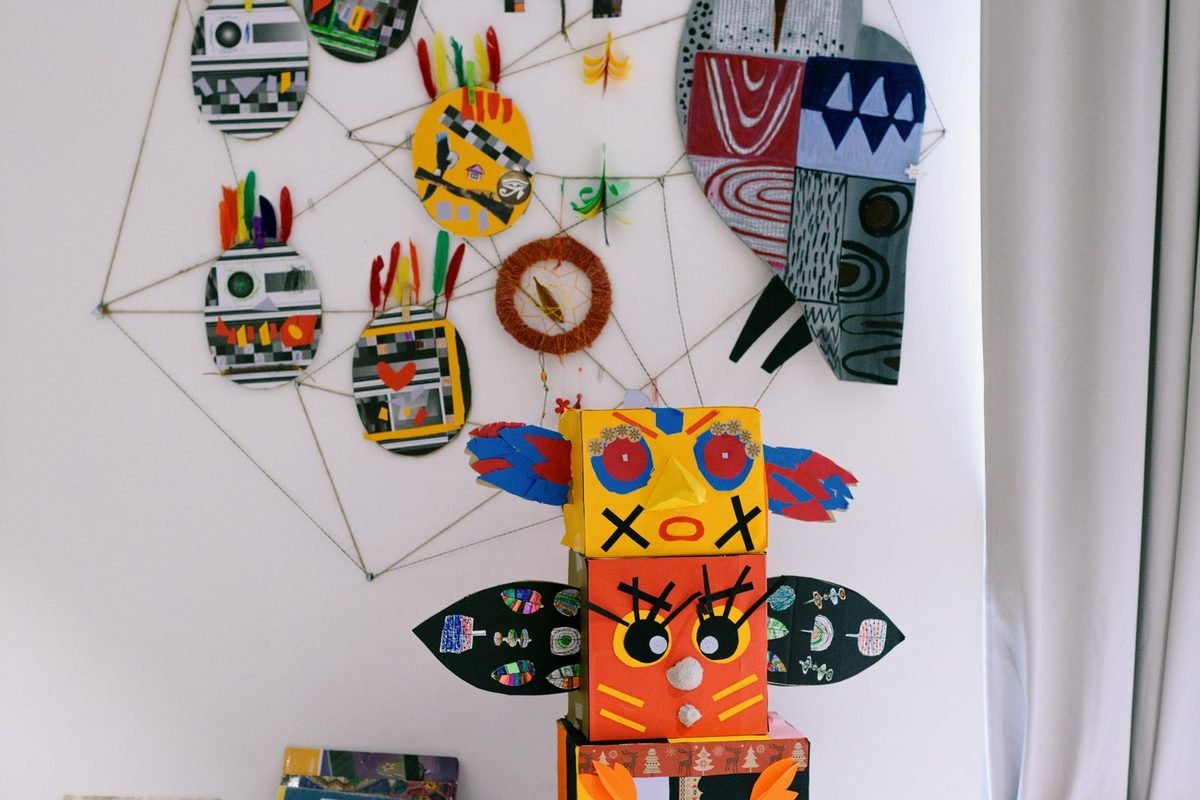
Children will draw on a wall; the only question is whether you choose which one. A chalkboard or whiteboard panel 36 to 48 inches wide, mounted with its center around 36 inches high for young kids, gives drawing a legal home, and dustless chalk or low-odor markers keep it parent-friendly. Budget $25 to $60 for chalkboard paint covering roughly 30 square feet, or $40 to $100 for a framed board you can take down later. Pair it with a display line, a wire with clips, cork board, or magnetic strip, and rotate artwork weekly, keeping two or three pieces up at once. One generous wall of permission prevents the slow spread of crayon across every other wall in the house.
7. Leave Real Open Floor for Building and Big Play
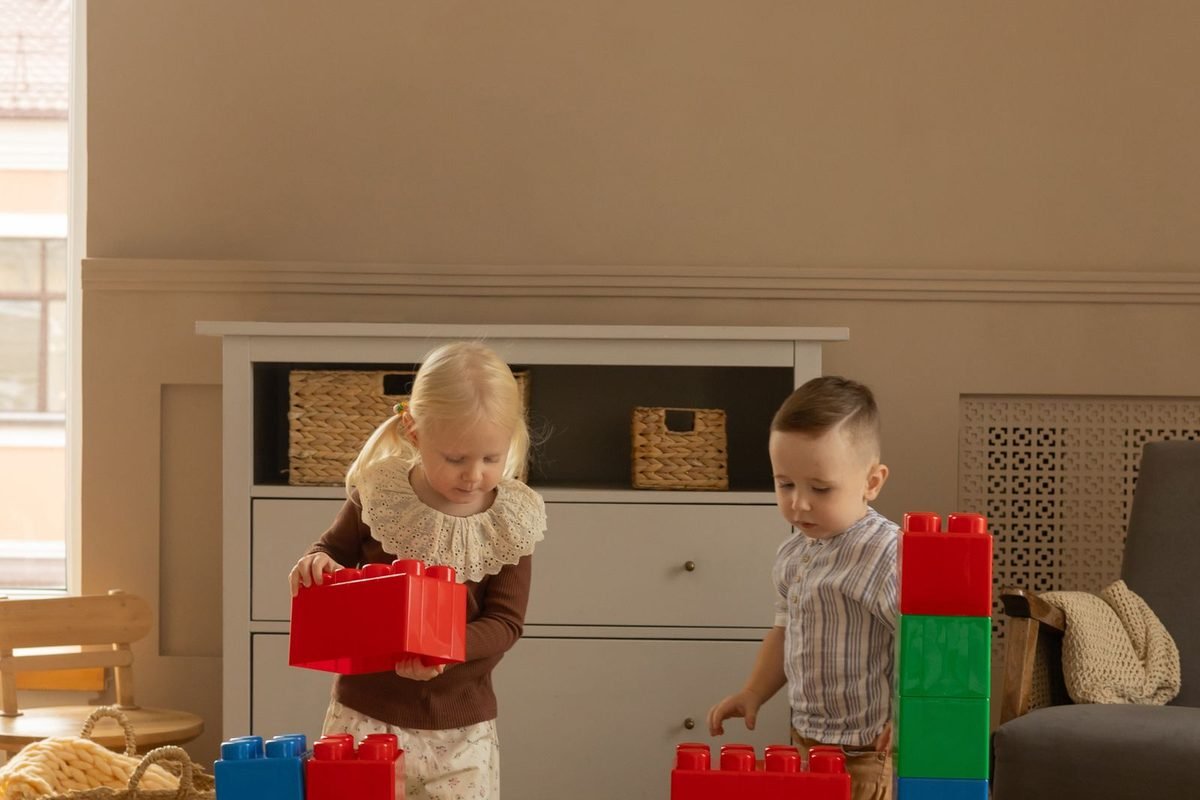
The most common playroom mistake is filling the room. Reserve the center, at least 6 by 6 feet in a full room or 5 by 5 feet in a corner setup, as permanently empty floor for towers, train tracks, forts, and dancing. Big, light toys earn this space: foam blocks, a play couch, or large cardboard bricks, $50 to $200, that can be stacked, crashed, and cleared in minutes. Furniture goes against walls, nothing with sharp corners sits in the landing zone, and heavy shelves within reach get anchored to studs. If an active piece like a small slide or climbing arch is on your list, measure its footprint and add the 3-foot clearance on every side before you order, not after.
8. Add One Pretend-Play Station That Earns Its Footprint

A play kitchen, workbench, or market stand is the hardest-working toy category in most playrooms, but one station is enough. Pick a unit about 36 to 42 inches wide and keep its food, tools, or till pieces in a single bin stored inside or beside it, so the whole game resets in one motion. Expect $80 to $250 for a sturdy wooden version that survives siblings, against $40 to $80 for plastic that often cracks within a year or two. Place the station against a wall near the art or house corner, not in the active zone, and resist the themed expansion packs; a few pots, fabric food, and empty real packaging hold attention longer and store smaller.
9. Spend Your Bold Move on One Wall Only
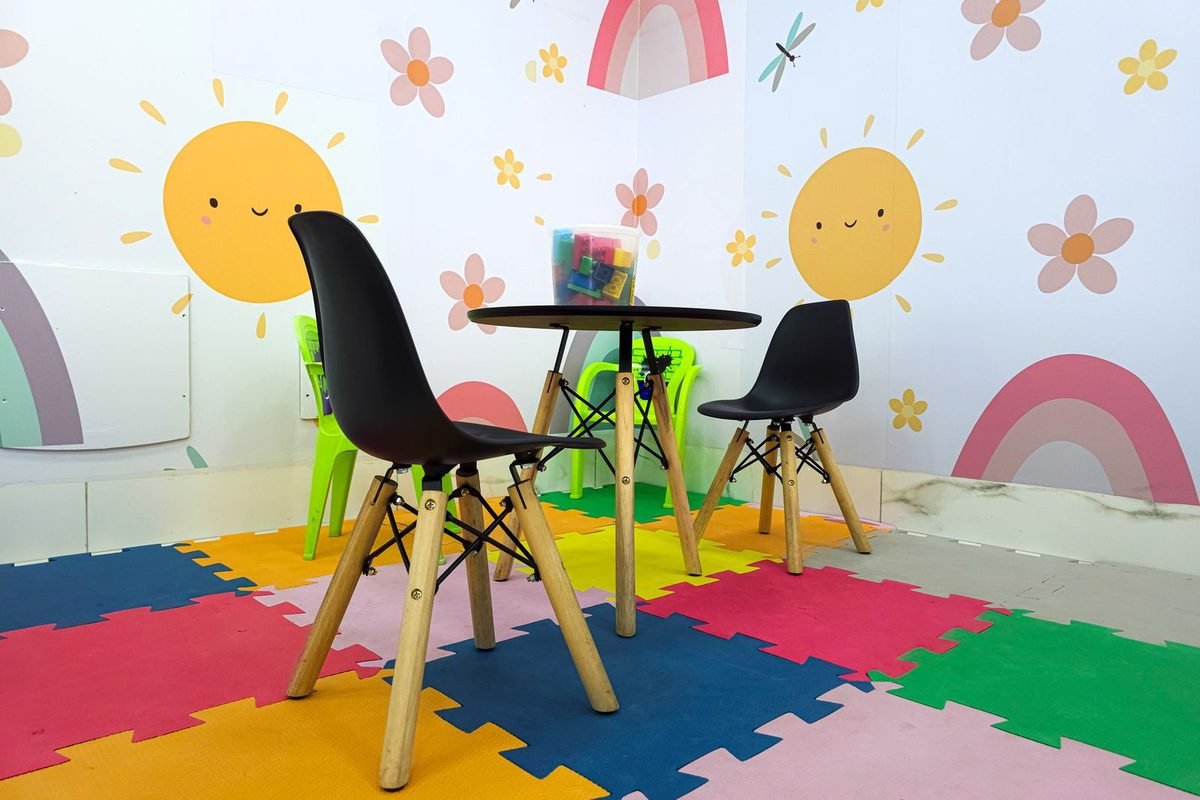
Color is where playroom ideas most often tip from joyful to exhausting. Keep three walls and the big furniture calm, then give one wall the mural, the rainbow, or the strong color, where it reads as a backdrop instead of a battle. Removable options do this without commitment: a peel and stick wallpaper mural runs $80 to $250 for a standard accent wall, large wall decals $20 to $60, and a gallon of saturated paint $40 to $60. Limit the room to two or three main colors plus the toys' own chaos, because the toys are already a fourth, fifth, and sixth color arriving daily. When tastes change, and they will within two years, you are redoing one wall, not a room.
10. Rotate Toys Instead of Storing Them All in the Room
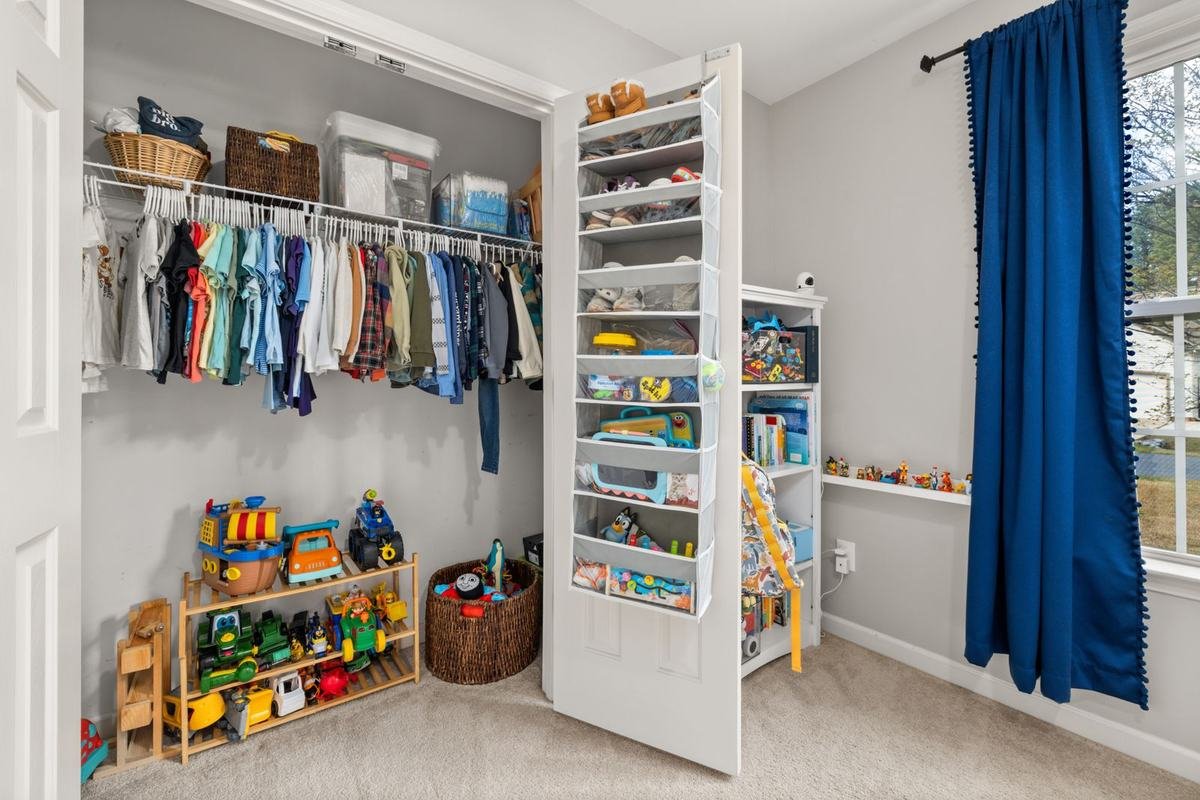
A playroom holding every toy a child owns holds none of them well. Keep about half the toys in the room and half in closed storage, a lidded tote per category in a closet, garage shelf, or under-bed box, and swap every two to four weeks. Rotation makes old toys new again, halves daily cleanup, and is the cheapest refresh on this list: two or three 18-gallon totes cost $15 to $30 total. Label each tote with a photo or word list so swaps take ten minutes. The same discipline shapes the whole room's lifespan, as our kids room ideas show when a playroom later has to become a homework and hangout space. Retire outgrown toys at each swap, not once a year.
11. Keep a Calm, Grown-Up Base That Ages With Them
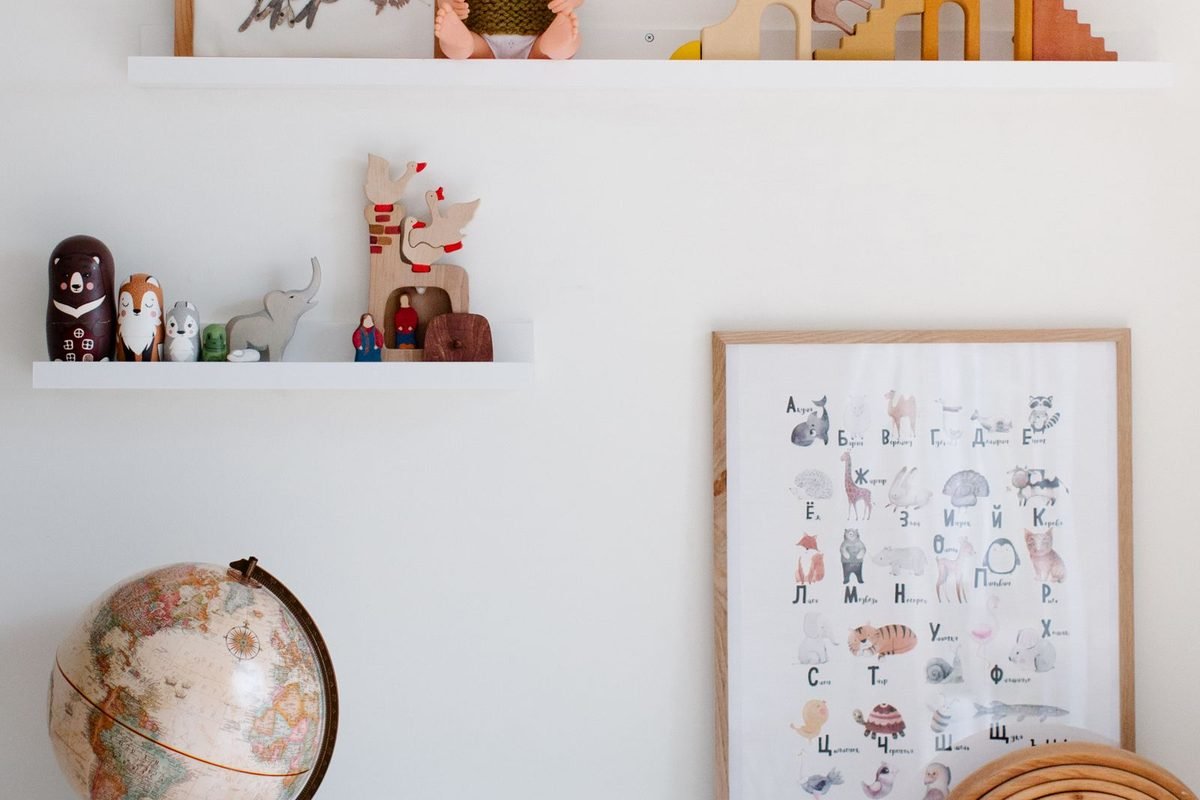
The rooms parents can live with share one trick: the permanent layer is neutral and the childhood is applied on top. Pale or warm-white walls, a plain rug, natural wood or white storage, and simple curtains, roughly $300 to $700 for the base layer excluding furniture you own, will suit a toddler's floor gym and a ten-year-old's desk equally. Theme and character live in bins, cushions, posters, and the one bold wall, all swappable for $30 to $100 when interests turn. Avoid built-in themed furniture and murals you cannot paint over in an afternoon. Include one real adult seat, a small armchair or loveseat at $150 to $400, because playrooms where parents are comfortable are playrooms that get used together.
12. Carve a Play Corner Out of a Room You Already Have
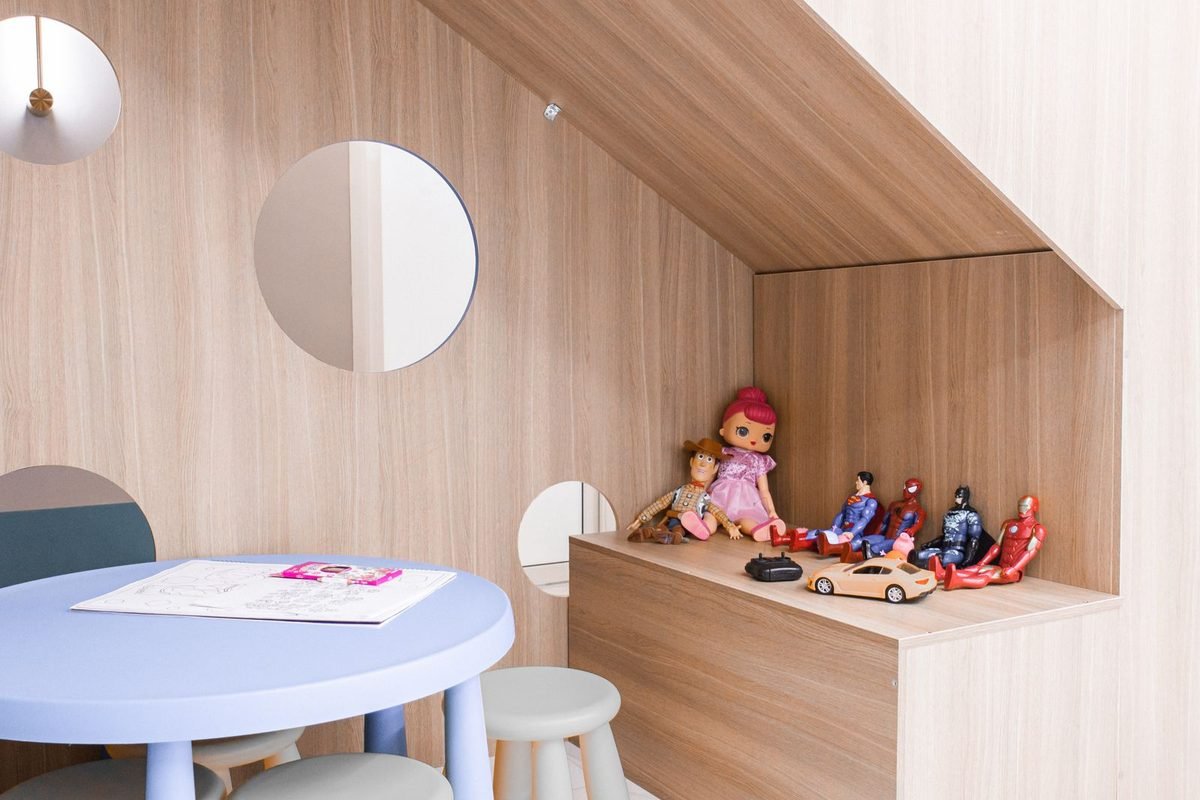
No spare room is no problem if the corner is planned like a room. Claim a 5 by 6 to 6 by 8 foot area of a living room, bedroom, or basement: a washable rug to mark the border, one low cubby against the wall, a reading cushion, and a lidded basket for the overflow that migrates out each evening. A tension rod with a curtain, a folding screen, or the back of a sofa can close the fourth side for $20 to $80. Most of these moves are renter friendly decor that leaves no holes to patch, and the whole corner packs into a closet when guests come. Small and defined beats large and leaking into every other room.
Frequently Asked Questions
How much does it cost to set up a playroom? A well-planned corner or refresh using furniture you own runs $200 to $500: a washable rug, a low cubby with bins, a reading cushion, and one wall treatment. A full room with an art table, pretend-play station, and new storage typically lands between $700 and $1,500. The expensive mistakes are themed furniture and oversized pieces bought before measuring; zones, storage, and flooring deliver most of the benefit for the least money.
How do I keep a playroom tidy without tidying it myself? Make the system do the work: storage between 12 and 36 inches high that children can reach, open bins with picture labels, one bin per category, and only about half the toys in the room at once through rotation. End play with a five-minute reset timed to music. If cleanup regularly takes longer than that, the room holds too much or the storage needs lids removed, not more nagging.
What should go in a small playroom or play corner? Keep four things: a soft washable floor layer, one low storage unit, one activity anchor such as a small table or play kitchen, and a reading cushion with a few front-facing books. Protect at least 5 by 5 feet of open floor and skip anything that only does one job. Wall-mounted and fold-away pieces, a drop-leaf table or a board that hangs up, stretch a small footprint furthest.
How do playroom ideas change as kids grow older? The zones stay; the contents graduate. The active corner trades a climbing arch for a reading chair, game shelf, or desk around age seven to nine, art storage becomes homework storage, and the bold wall gets repainted or re-papered in an afternoon because only one wall carries the theme. A neutral base, standard-size storage, and one adult seat bought at the start mean the room converts for $100 to $300 instead of a full redecoration.