
12 Gender-Neutral Nursery Ideas That Grow With Baby
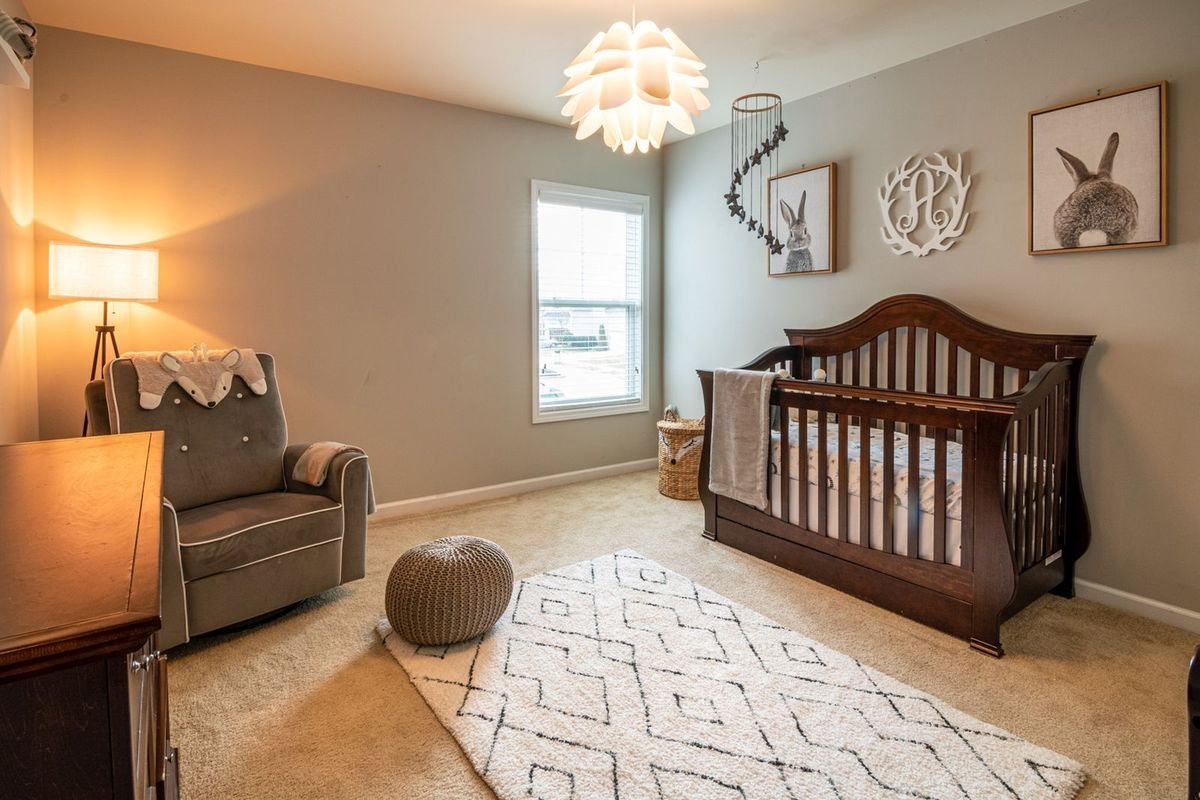
The best gender neutral nursery ideas are not really about skipping pink and blue. They are about building a room that still works when the newborn becomes a crawler, then a toddler, and possibly makes room for a second baby later. That means neutral where it counts, on the expensive pieces, and flexible everywhere else: a standard-size crib that converts, storage you can re-label in an afternoon, and color carried by textiles you can swap for $20 instead of repainting for $400.
Start with the bones, because gender neutral nursery ideas fail when the palette is right but the layout is wrong. Leave about 36 inches of clear walking space around the crib and dresser, keep the crib away from windows and cords, and anchor every tall piece to a stud. The 12 ideas below follow that order: palette and furniture first, then the layers that carry the personality and change as the baby grows.
1. Start With a Warm Neutral Palette That Hides Wear
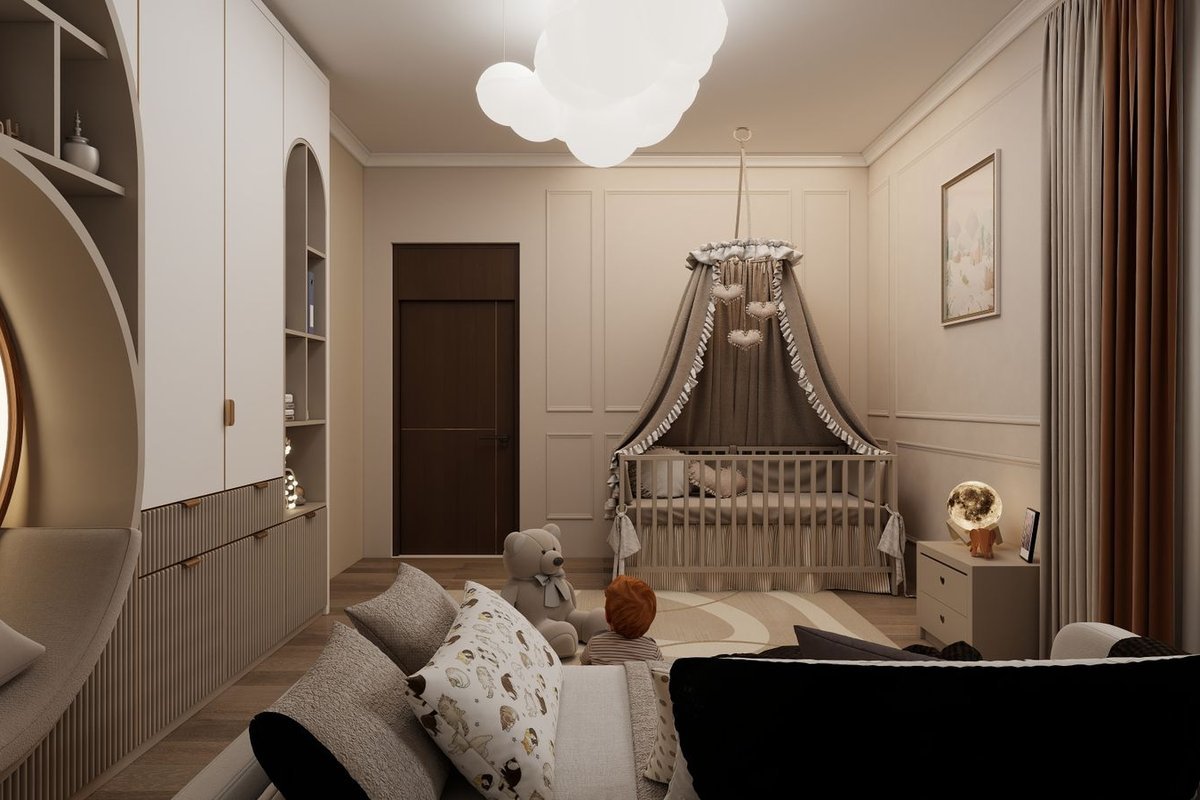
Build the base from warm neutrals rather than stark white: oatmeal or warm greige walls, cream textiles, and light natural wood. Warm neutrals forgive scuffs and spit-up far better than bright white, and they keep the room calm without feeling cold. Repeat each neutral at least three times, in the crib finish, the rug, and the curtains, so the room reads planned rather than unfinished. Add depth with one darker anchor, a walnut side table or a black picture frame, at roughly 10 percent of what you see. If you are working out the wider room at the same time, our kids room ideas show how the same neutral base carries a child's room well past the nursery years.
2. Choose a Convertible Crib at the Standard Size
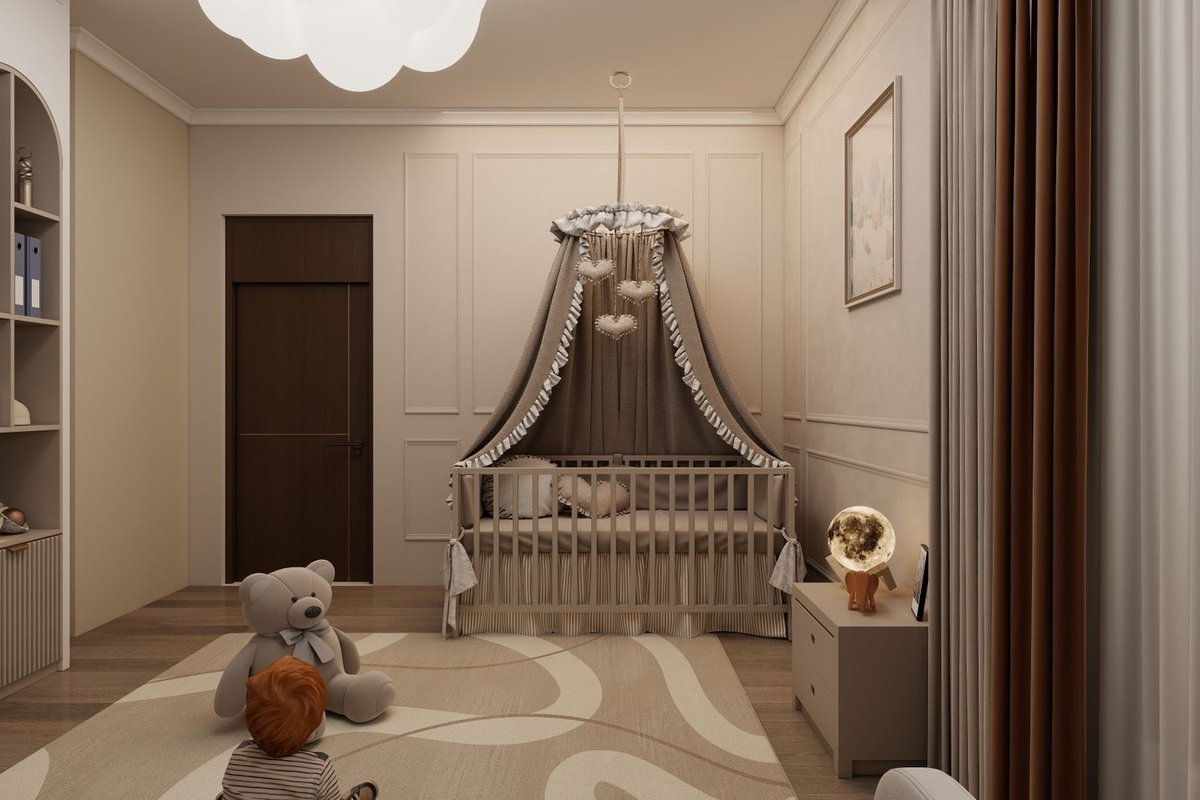
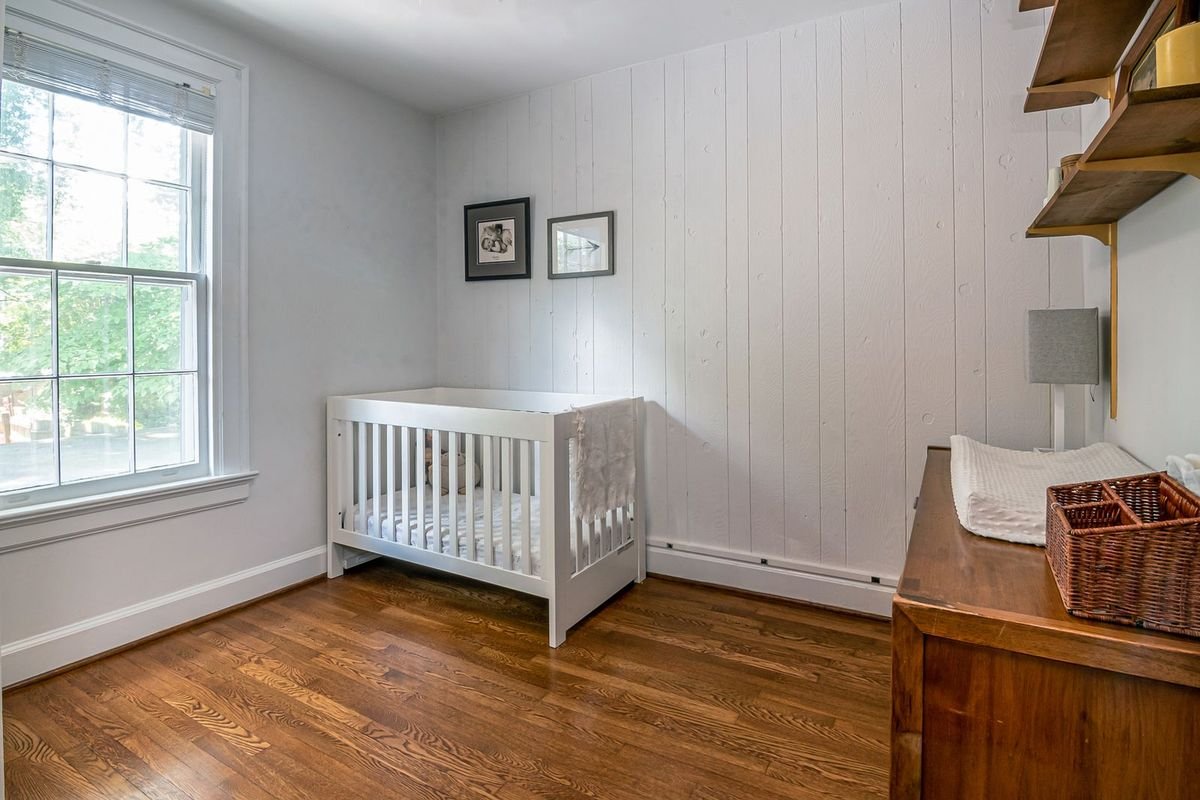
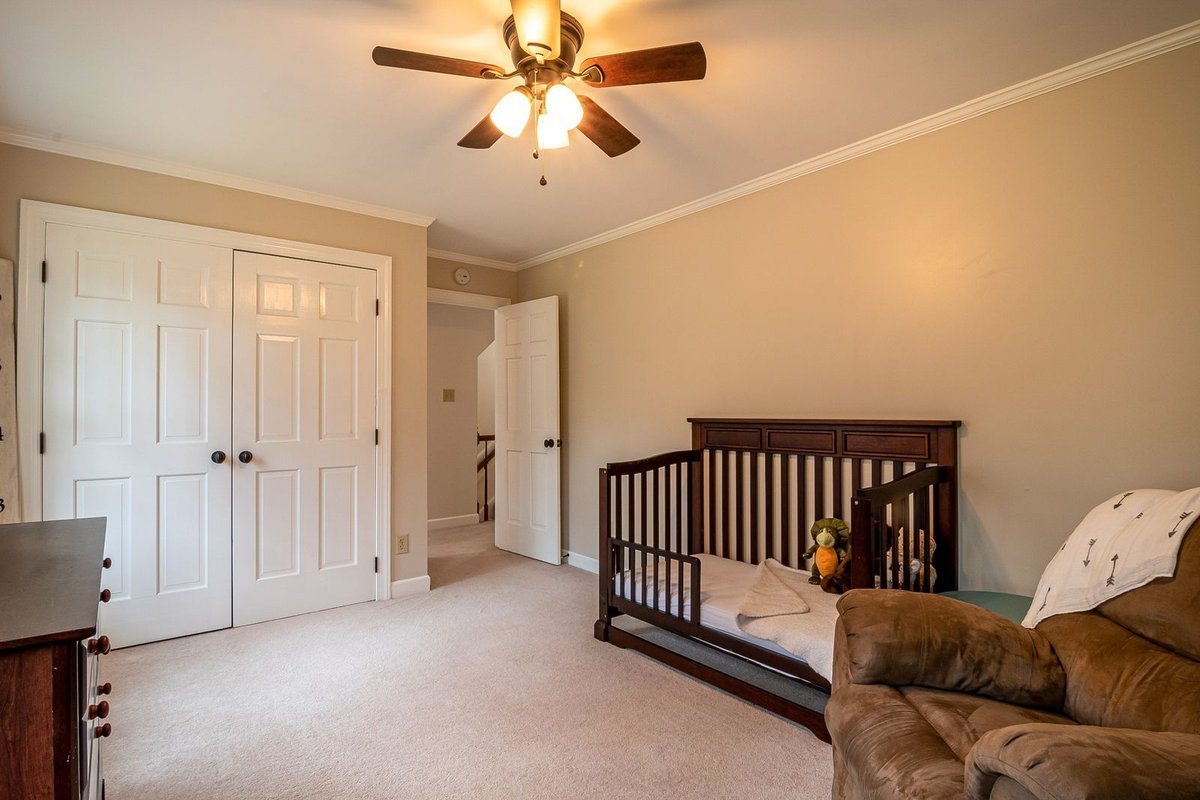
A standard crib measures 52 inches long by 28 inches wide, and the mattress should match at 52 by 28 inches, no more than 6 inches thick, with no gap wider than two fingers at any edge. A 4-in-1 convertible crib, roughly $250 to $450, turns into a toddler bed, a daybed, and later a full-size headboard, which is the single biggest grow-with-baby saving in the room. Choose a plain finish, white, warm wood, or soft gray, that will not fight a future theme. As the Houzz gallery of gender-neutral nurseries shows, simple slatted and convertible cribs in natural finishes are the ones that keep working as the styling around them changes, and several featured rooms are built around cribs that convert into toddler beds.
3. Layer Three Textures So Neutral Never Feels Flat
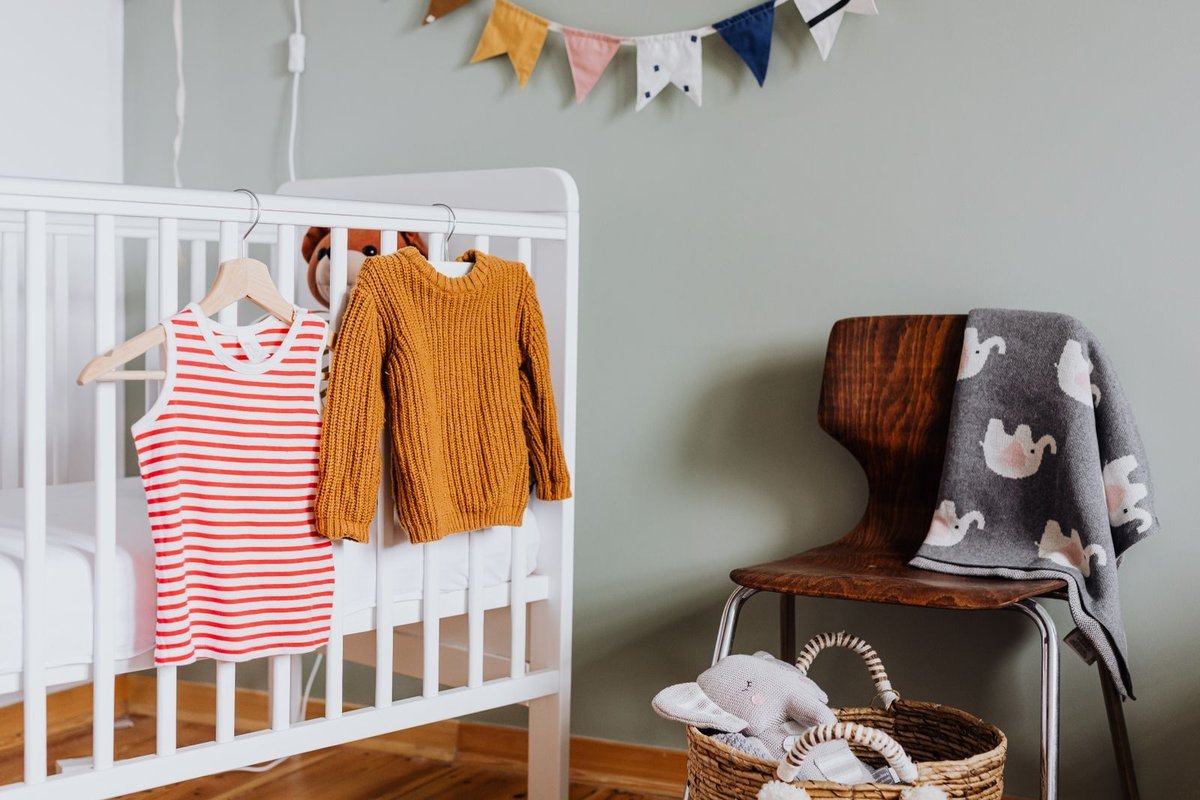
Neutral rooms feel cold when everything is the same smooth finish, so pick three textures and repeat each one at least twice: natural wood, linen, and wool is the most reliable trio. Wood arrives with the crib and dresser, linen with the curtains and crib skirt, and wool with the rug and a knitted throw over the nursing chair. Add one rougher note, a woven seagrass basket or a cane-front drawer, to keep the softness from turning bland. Texture does the visual work that strong color does in other rooms, which is why the strongest gender neutral nursery ideas all lean on it. Keep the total spend modest: $15 to $40 covers most baskets and throws.
4. Pick One Gentle Color Story and Use It Sparingly
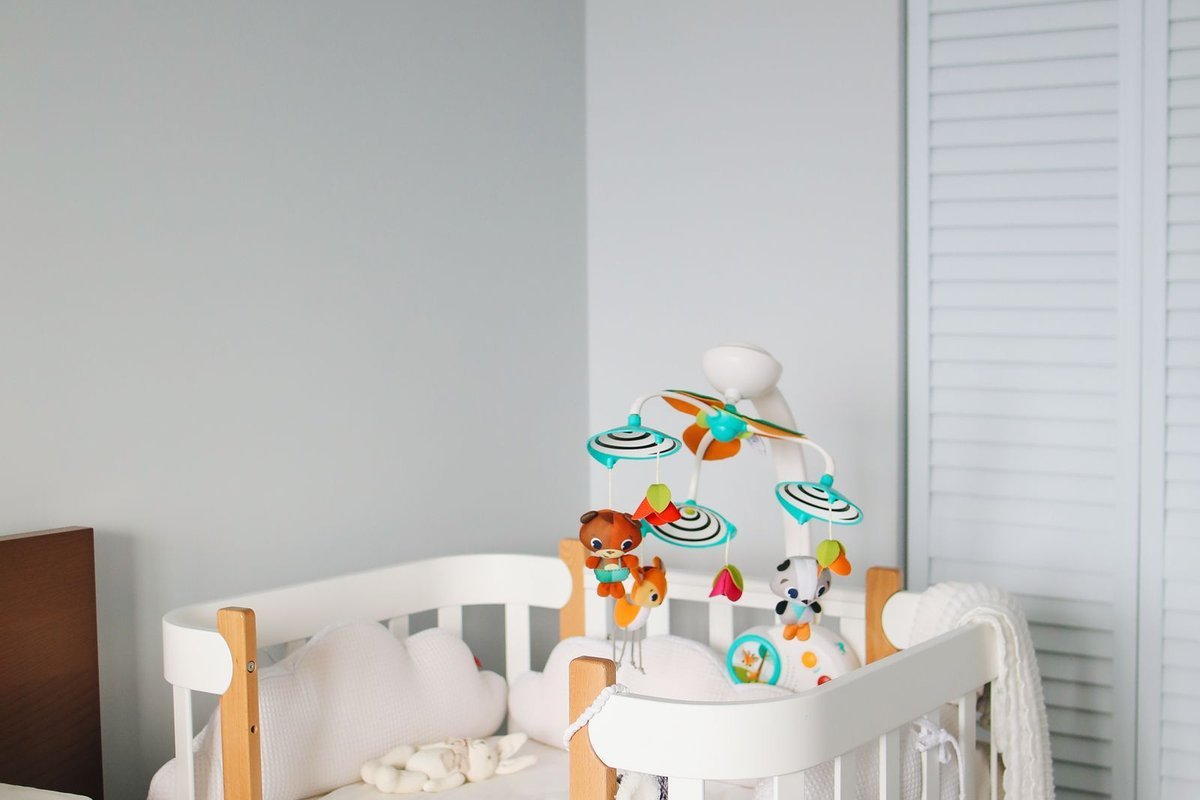
Choose a single gentle color and let it appear in small, changeable places: sage, terracotta, soft mustard, or dusty blue-gray are the four that stay calm and suit any baby. Hold it to about 10 to 20 percent of the room, a painted arch behind the crib, one cushion, the inside of a bookshelf, so the room can take a completely different accent later for the price of two cushion covers. Sage with cream and oak is the easiest version to live with; terracotta with oatmeal is the warmest. Soft-filtering linen curtain ideas in the same gentle color are a good way to carry the story to the window without painting anything else.
5. Put the Theme in Art and Toys, Not in Bedding
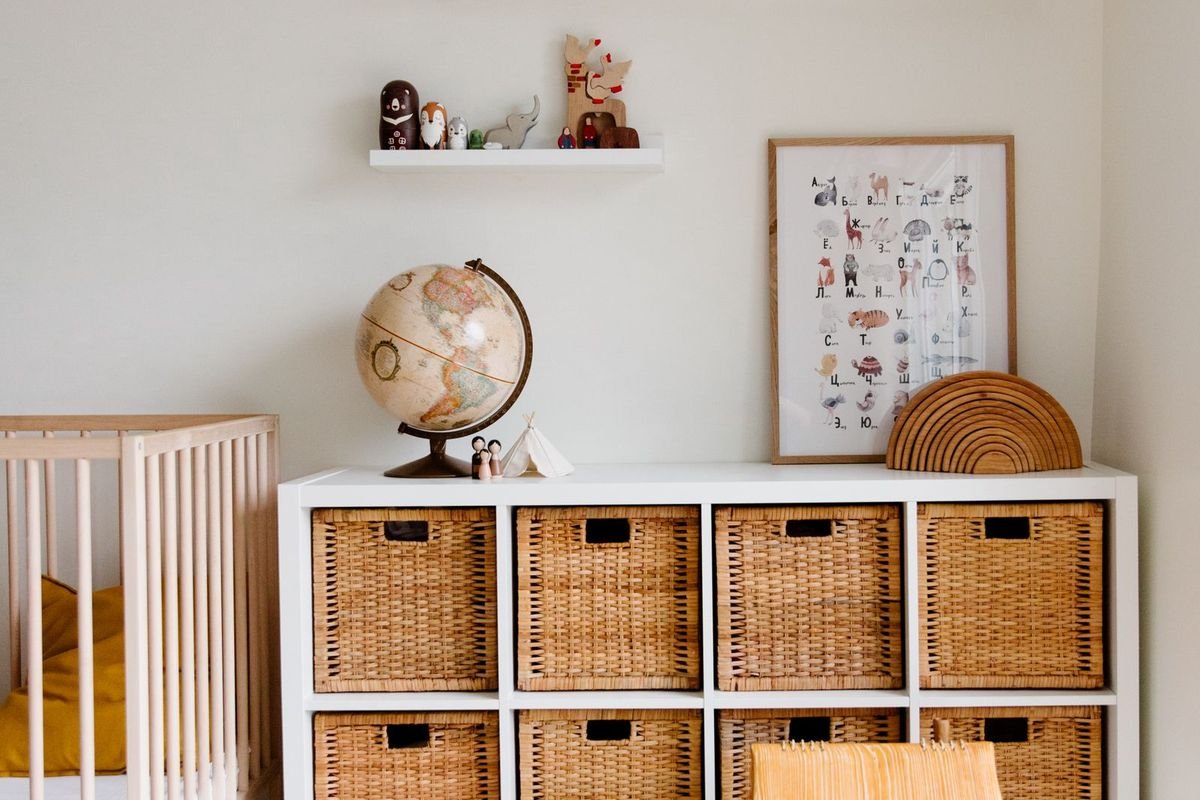
Themes date faster than any other choice in a nursery, so keep the theme where it is cheap to change. Woodland animals, safari prints, or simple botanical illustrations work beautifully as a set of three to five framed prints, each 8 by 10 or 11 by 14 inches, hung on the wall opposite the crib rather than above it. Keep crib bedding to plain fitted sheets only, two or three at $15 to $25 each, because the crib itself should stay bare. When your toddler decides the theme is dinosaurs instead, you are replacing $40 of prints, not a $180 bedding set and a wallpapered wall. That swap is the whole point of designing neutral from the start.
6. Size the Rug for Tummy Time and Crawling
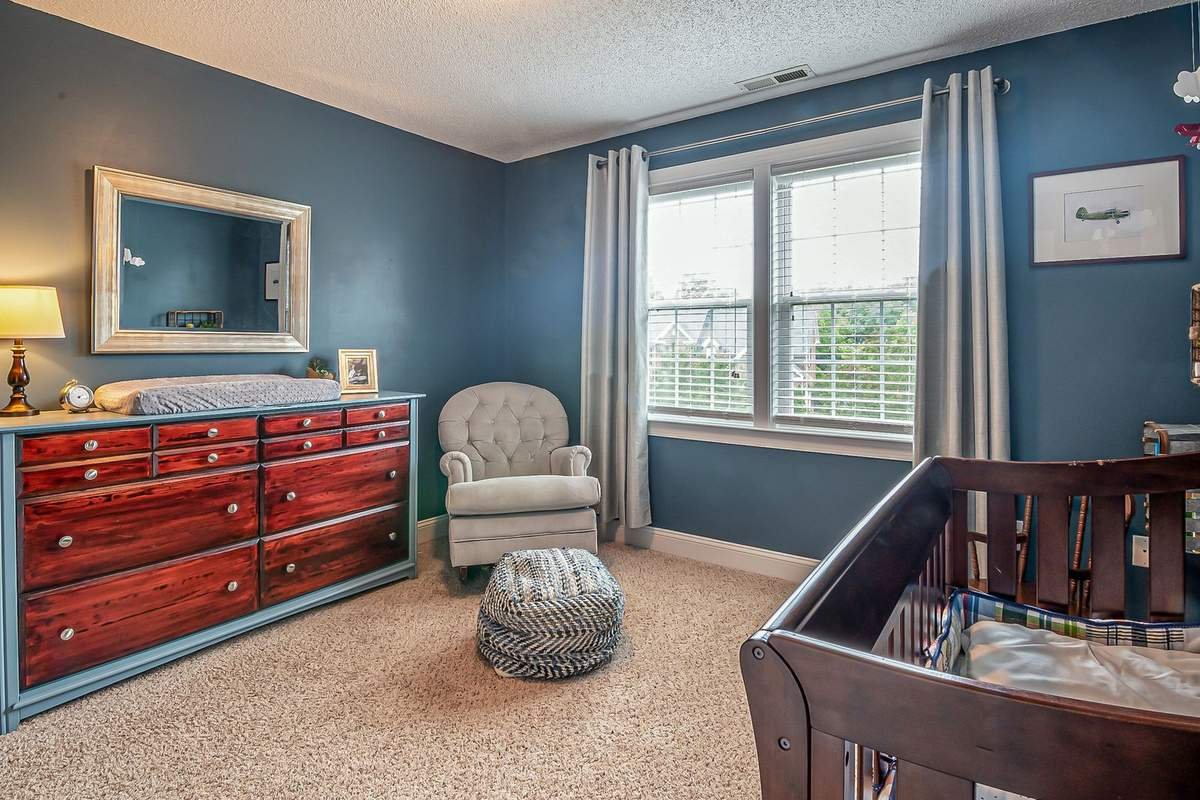
The rug is the nursery's second work surface, so size it for the floor life ahead: 5 by 8 feet is the minimum that holds a crib-side play area, and 6 by 9 or 8 by 10 feet is better in a room over 10 by 12 feet. Choose low pile, under 1/2 inch, in wool or a washable cotton blend, roughly $120 to $300 at 5 by 8 feet, so a vacuum passes easily and the surface stays firm for early crawling. Skip fluffy sheepskin styles as the main rug; they trap crumbs and are hard to clean. Add a non-slip pad underneath, cut 1 inch smaller than the rug on every side, and keep the rug's edge at least a few inches clear of the crib legs.
7. Turn a Dresser Into the Changing Station
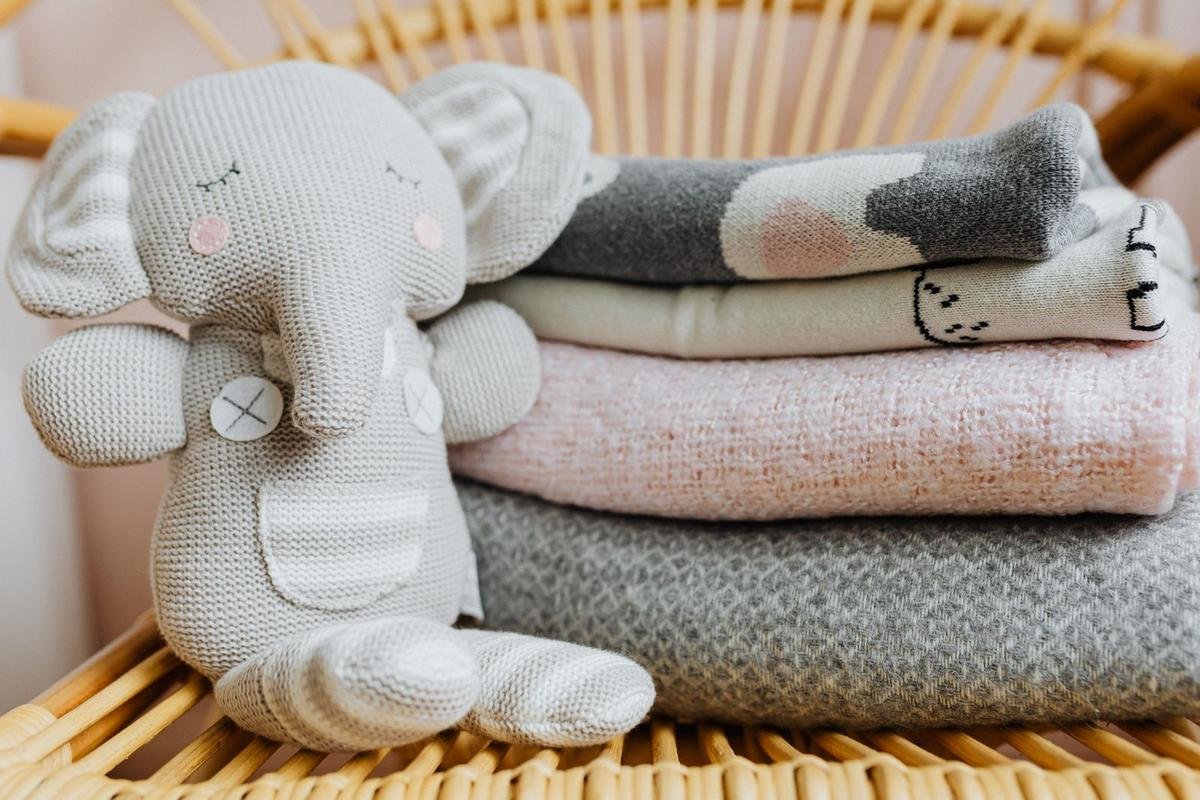
A separate changing table is the shortest-lived furniture in the house, so put the changing tray on a dresser instead. Choose a dresser 36 to 38 inches high and at least 18 inches deep, around $200 to $400, add a $40 to $70 changing tray with raised sides, and anchor the whole unit to the wall before the baby arrives. Keep diapers, wipes, and creams in the top drawer or in baskets on top, and use a rattan storage basket for the daily rotation so supplies stay visible and grabbable one-handed. When changing ends, the tray lifts off and the dresser simply becomes the toddler's clothes storage, no furniture to sell or store.
8. Build Storage You Can Re-Label in an Afternoon

Nursery storage fails when it is sized for newborn clothes only. Use open baskets and clear bins labeled by size, Newborn, 0 to 3 months, 3 to 6 months, and keep the next size up in the closet so outgrown clothes leave the drawers immediately. Low, open storage at 12 to 18 inches high lets a toddler start putting toys away, which is when storage habits actually form. A simple cube unit with six to eight baskets runs $80 to $150 and survives the whole childhood if the baskets are plain. Our toy storage ideas cover the bigger bins and benches you will want once the toy collection outgrows the nursery corner.
9. Plan a Feeding Corner That Becomes a Reading Nook
For the first year this corner works hard at night: a glider or armchair about 30 to 34 inches wide, a small side table within arm's reach, and a dimmable lamp that goes low enough for 2 a.m. feeds. Budget $250 to $450 for a glider with a washable cover, or use a comfortable chair you already own. Place it in the corner with the clearest path from the door, and keep a basket of burp cloths and a water bottle beside it. Later, the same corner converts in an afternoon: swap the side table for a low book crate and add a cushion on the floor, and the feeding corner becomes the first of your reading nook ideas, in the spot your child already associates with being held and read to.
10. Keep the Walls Renter-Friendly and Easy to Undo
Most nursery statements can be made without a single permanent hole. Peel-and-stick wallpaper on one wall, roughly $1.50 to $3 per square foot, and removable wall decals, $20 to $50 a set, both come down with heat and patience when you move or redecorate. Use decals or a painted arch for the playful element, stars, simple shapes, a muted rainbow, and keep frames on picture ledges or adhesive strips rated for their weight. This matters beyond renting: a neutral room you can restyle for $50 is a room you will actually restyle, instead of living with a theme everyone has outgrown. Always test peel-and-stick products on a hidden patch first, and finish any painting at least a few weeks before the due date so the room airs out.
11. Light the Room in Layers for Night Feeds
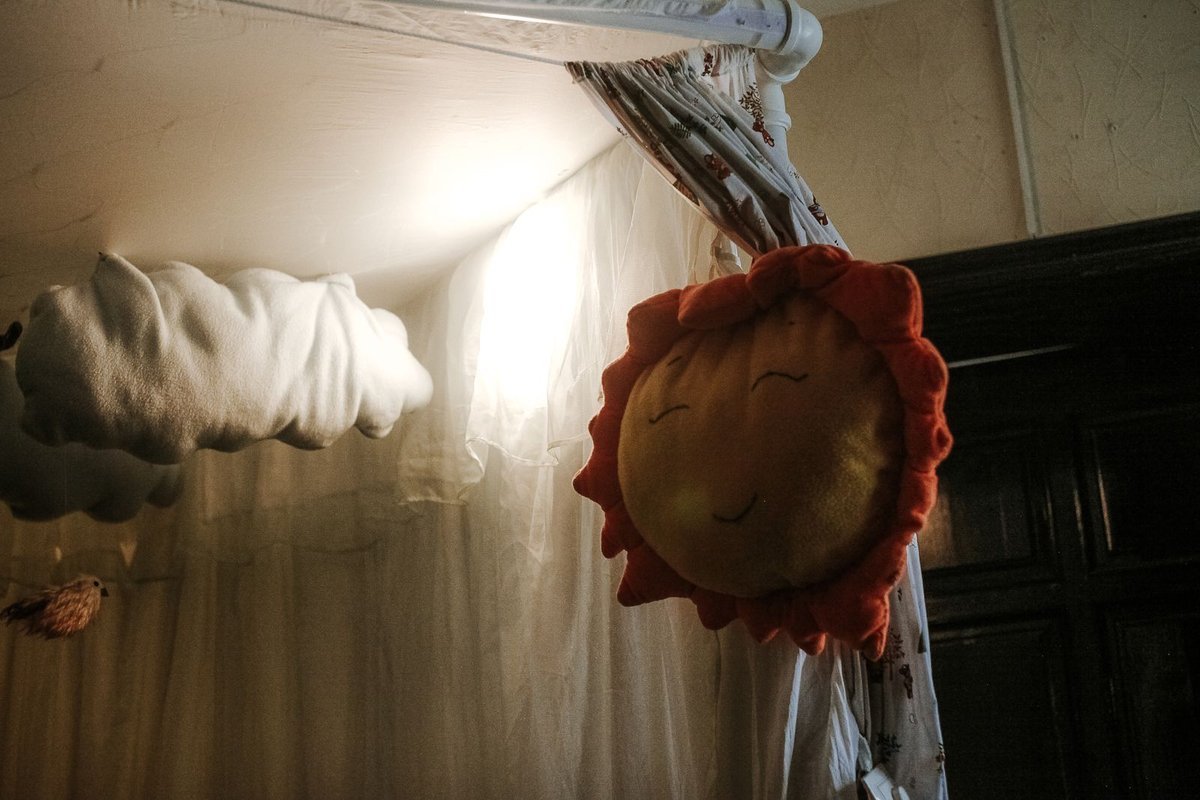
One bright ceiling light is the wrong tool for a room used at 2 a.m. Plan three layers instead: a soft overhead light on a dimmer for daytime, a warm lamp of about 2700K near the feeding chair for evenings, and a very low night light, ideally amber or red-toned and under $15, for night changes. Blackout curtains or a blackout liner behind your linen panels keep daytime naps dark; cut curtains to just clear the floor so a crawling baby cannot pull them down, and choose cordless coverings throughout. Good lighting is the quiet reason some of the calmest gender neutral nursery ideas work: the palette can only feel gentle if the light hitting it is gentle too.
12. Leave One Wall Ready to Grow
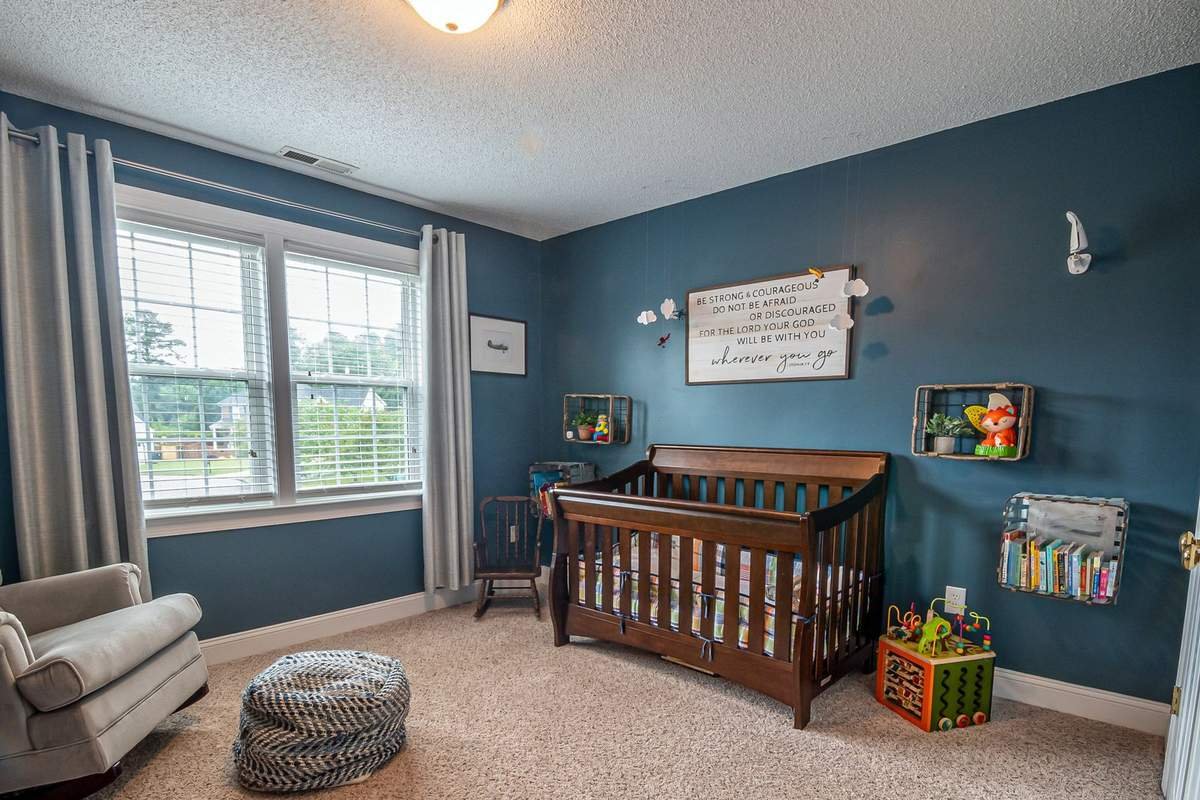
Designate one wall as the changeable wall and keep everything on it light, cheap, and easy to move. In the baby stage it holds the framed print set and a small shelf; at toddler stage the same wall takes a growth chart, a low peg rail for dress-up clothes, and the first artwork your child brings home. Keep the crib wall and the window wall calm and finished, and let this one absorb every phase. Mark heights directly on a 6-foot wooden growth chart, about $25 to $40, rather than the paintwork, and it becomes the keepsake that moves house with you. A nursery planned this way never needs a full redo, just one wall refreshed each year, which is exactly what growing with the baby should cost.
Frequently Asked Questions
What colors work best for a gender neutral nursery? Warm neutrals, oatmeal, cream, warm greige, and light wood, do the base work, and one gentle color carries the personality: sage, terracotta, soft mustard, or dusty blue-gray are the most forgiving. Keep the color to textiles, art, and one painted detail so it can change later. Black or walnut accents at about 10 percent stop an all-neutral room from feeling washed out.
How much does a gender neutral nursery cost to set up? A realistic first nursery runs about $900 to $1,800 using the pieces above: a convertible crib at $250 to $450, a dresser at $200 to $400, a 5 by 8 foot rug at $120 to $300, a glider at $250 to $450, and $150 to $250 across curtains, storage, art, and lighting. Because the big pieces are neutral and convertible, the toddler update later is usually under $200.
What should never go in or over a baby's crib? Keep the crib completely bare: a firm mattress and a fitted sheet only, with no pillows, blankets, bumpers, or stuffed toys. Hang nothing heavy over the crib, including framed art, canopies, and wall hangings, and keep mobiles and monitor cords out of reach, with cords at least 3 feet away. Anchor dressers and bookcases to wall studs, since climbing starts earlier than most parents expect.
How do I make the same nursery work for a second baby? This is where gender neutral nursery ideas pay for themselves. The palette, crib, and dresser stay exactly as they are; you refresh the changeable layer only: new fitted sheets, a different print set on the growing wall, and fresh basket labels. Because nothing in the room was chosen for one baby's gender or theme, the second setup usually takes a weekend and costs under $150.
