12 Dark Wood Accent Ideas for Moody Warmth
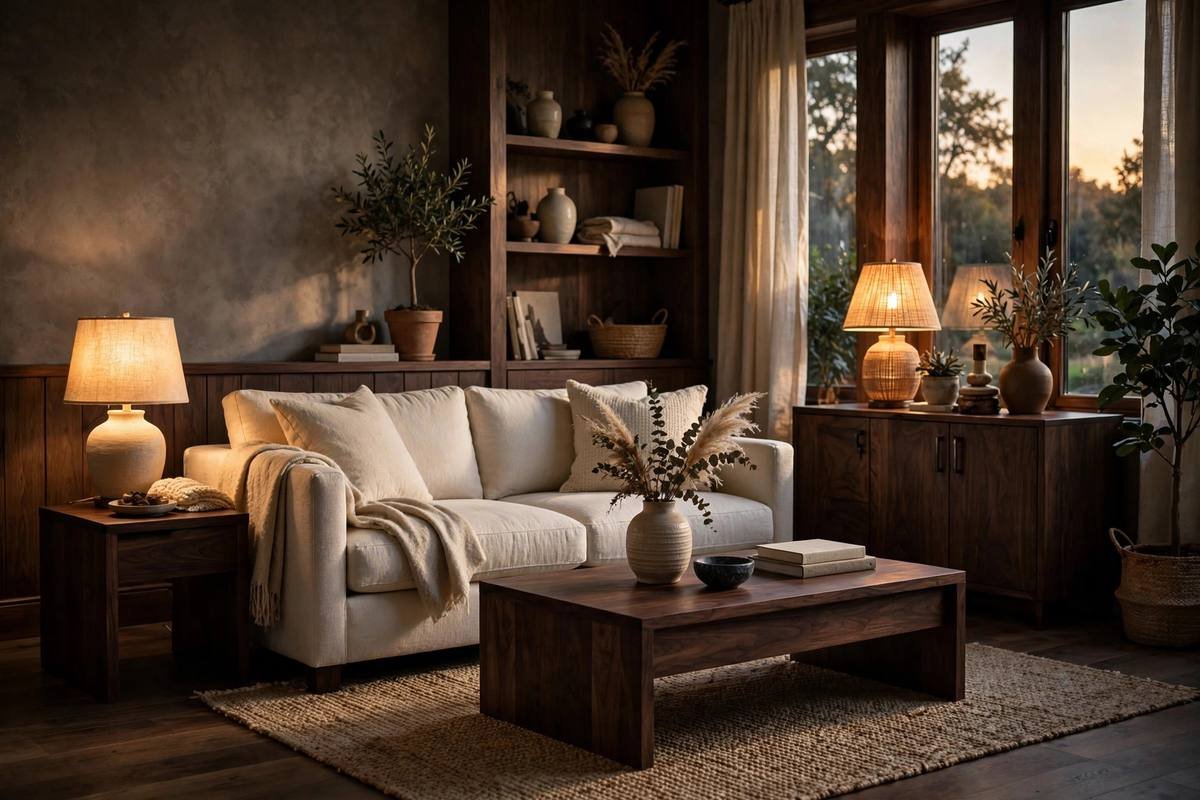
Dark wood has a gravity that light wood simply does not. Walnut, mahogany, espresso-stained oak — these rich tones add depth, drama, and a sense of history to a room. Used well, dark wood accents create moody warmth: that cozy, enveloping feeling that makes a room feel like a retreat rather than a showroom.
These dark wood accent ideas show you how to add rich timber tones without making your home feel heavy or dated. The secret is contrast — pairing dark wood with light walls, soft textiles, and warm lighting. From a single walnut tray to a full dark wood accent wall, each idea scales to your comfort level and budget, and you will learn the lighting tricks that keep dark rooms glowing instead of gloomy. As The Spruce highlights in its midcentury living room guide, warm dark walnut finishes on furniture bring undeniable richness and nostalgia to a space when balanced with lighter elements.
1. Anchor the Room with a Dark Wood Coffee Table
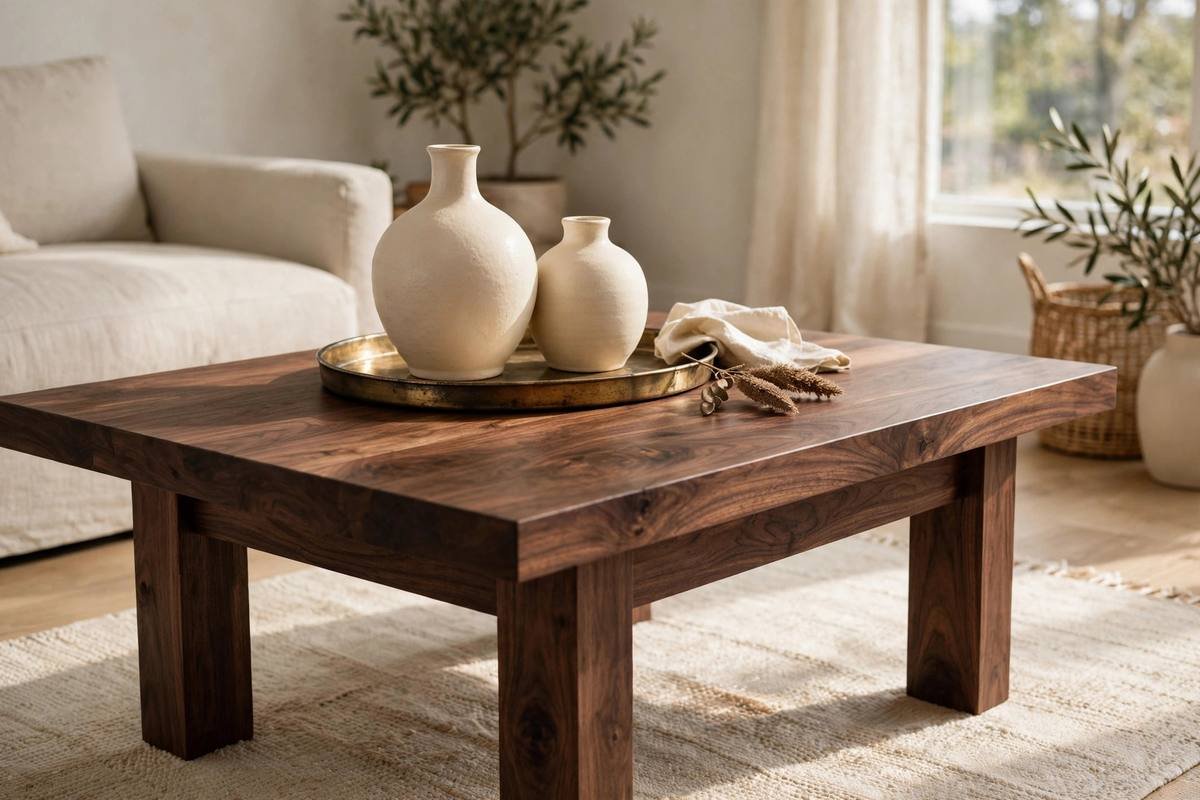
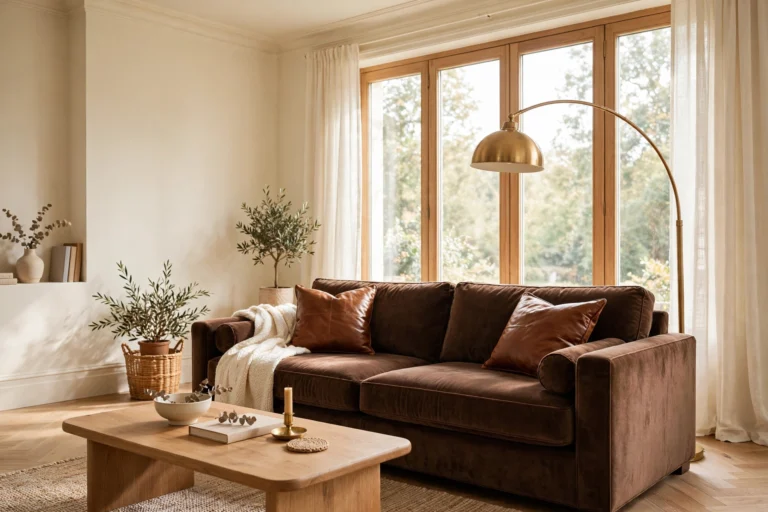
A dark wood coffee table grounds a living room instantly. Choose walnut or espresso-stained oak with visible grain — the natural figuring is what makes dark wood beautiful, so avoid pieces with muddy, opaque finishes. The table's dark tone looks richest against a light rug and pale upholstery, which keeps the overall feel balanced. Style the top with lighter objects — cream ceramics, a stack of art books, a brass tray — to create contrast that shows off the wood. This one piece can set the tone for the entire room's palette.
2. Add Walnut Floating Shelves
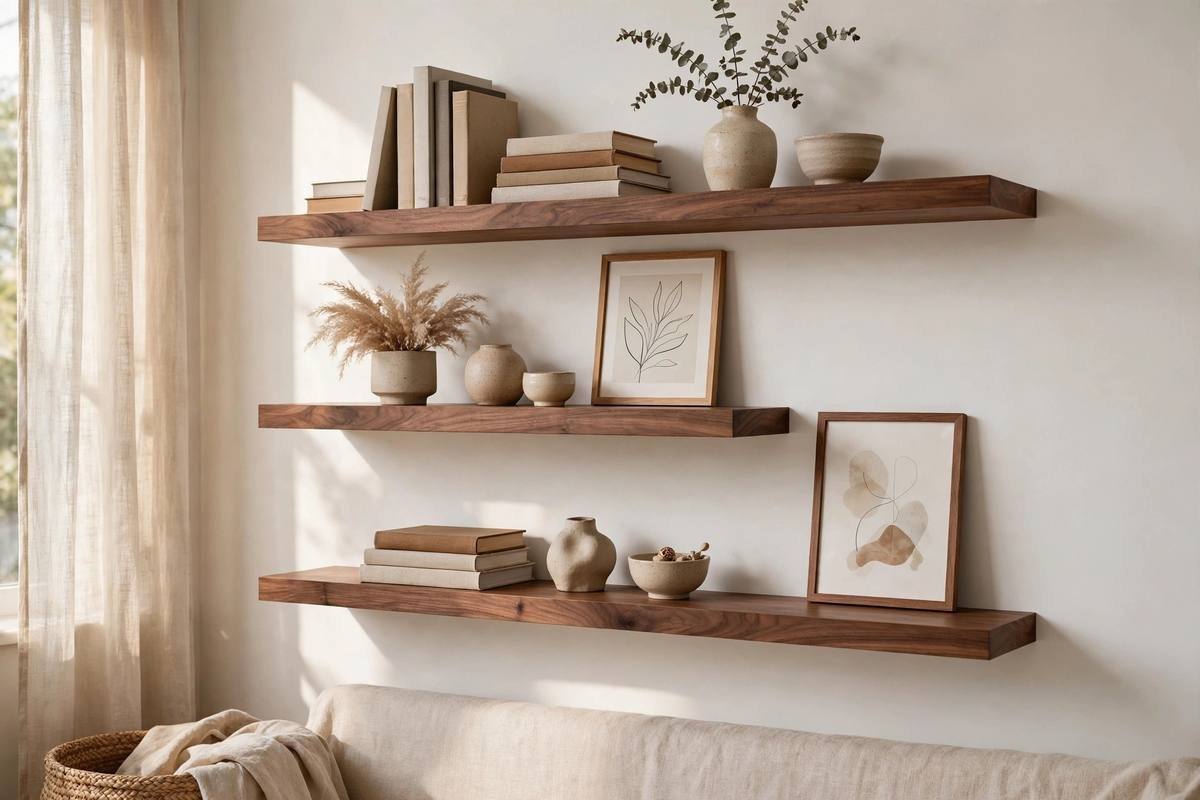
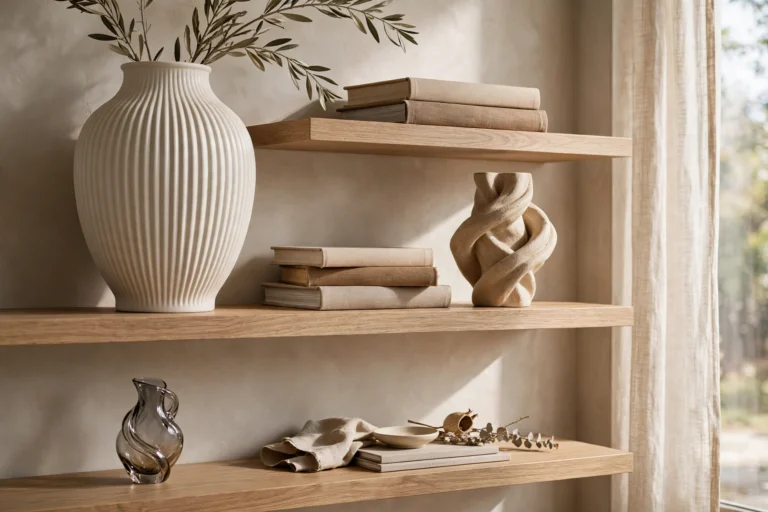
Walnut floating shelves add dark wood warmth to walls without the bulk of a bookcase. Install two or three shelves in a living room, bedroom, or dining area and style them with a mix of books, ceramics, and small art. The dark wood pops beautifully against white or light-colored walls, creating a gallery-like effect. Keep the styling airy — dark shelves with too many objects feel heavy, so leave breathing room between groupings. For more walnut inspiration throughout the home, explore our walnut furniture ideas.
3. Choose a Dark Wood Bed Frame

A dark wood bed frame brings instant sophistication to a bedroom. Platform styles in walnut or dark-stained oak suit modern rooms, while sleigh or four-poster silhouettes in mahogany lean traditional. The dark frame looks stunning against light bedding — crisp white or ivory sheets make the wood glow by contrast. Add warm bedside lighting with brass or wood lamps to keep the mood cozy rather than stark. Because the bed is the room's largest piece, a dark frame defines the whole bedroom's character in one move.
4. Install a Dark Wood Accent Wall
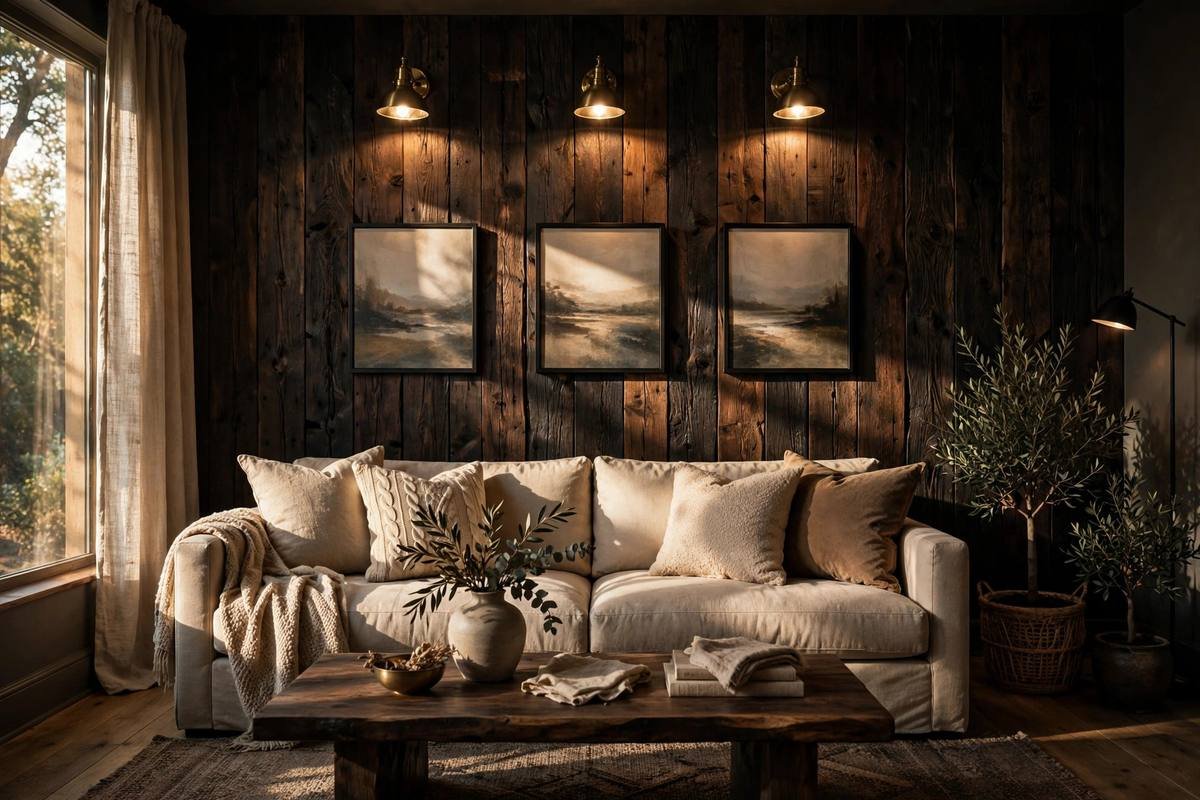
For maximum drama, clad one wall in dark wood — either real planks, wood-look panels, or a rich dark stain on existing paneling. A wood accent wall behind the bed, the sofa, or the TV creates a warm focal point that flat paint cannot match. Keep the other walls light so the room does not feel like a cave, and add plenty of layered lighting to highlight the wood's grain. Vertical planks make ceilings feel taller; horizontal planks widen the room visually. This is a bigger commitment than furniture, but the moody warmth payoff is enormous.
5. Style with a Dark Wood Sideboard
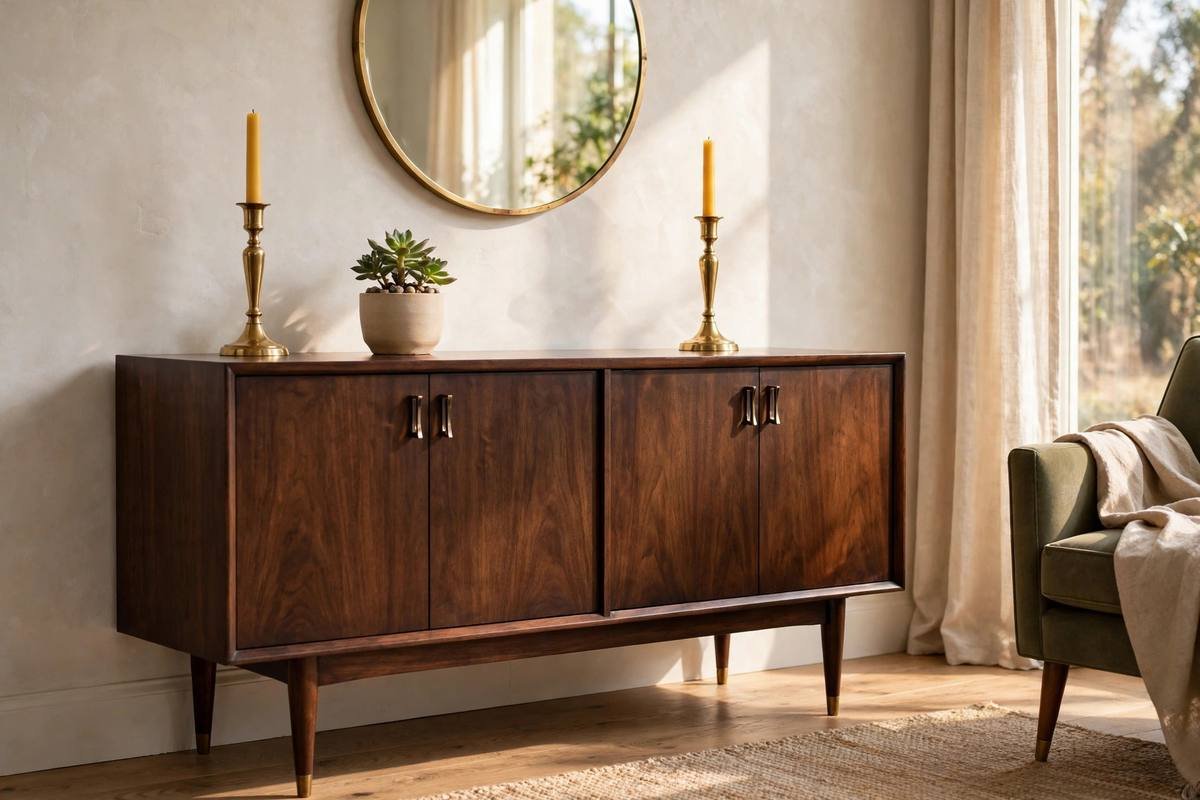
A dark wood sideboard or credenza is the workhorse of moody styling — it offers closed storage while adding rich tone to dining rooms, living rooms, and hallways. Look for midcentury-inspired designs with tapered legs, which keep the heavy wood feeling light on its feet. Style the top with a mirror or art above, a pair of lamps or candlesticks, and one natural element like a bowl of greenery. The closed cabinets hide clutter, which is essential since dark surfaces show dust more readily. This piece earns its place in almost any room.
6. Contrast Dark Wood with Cream Upholstery
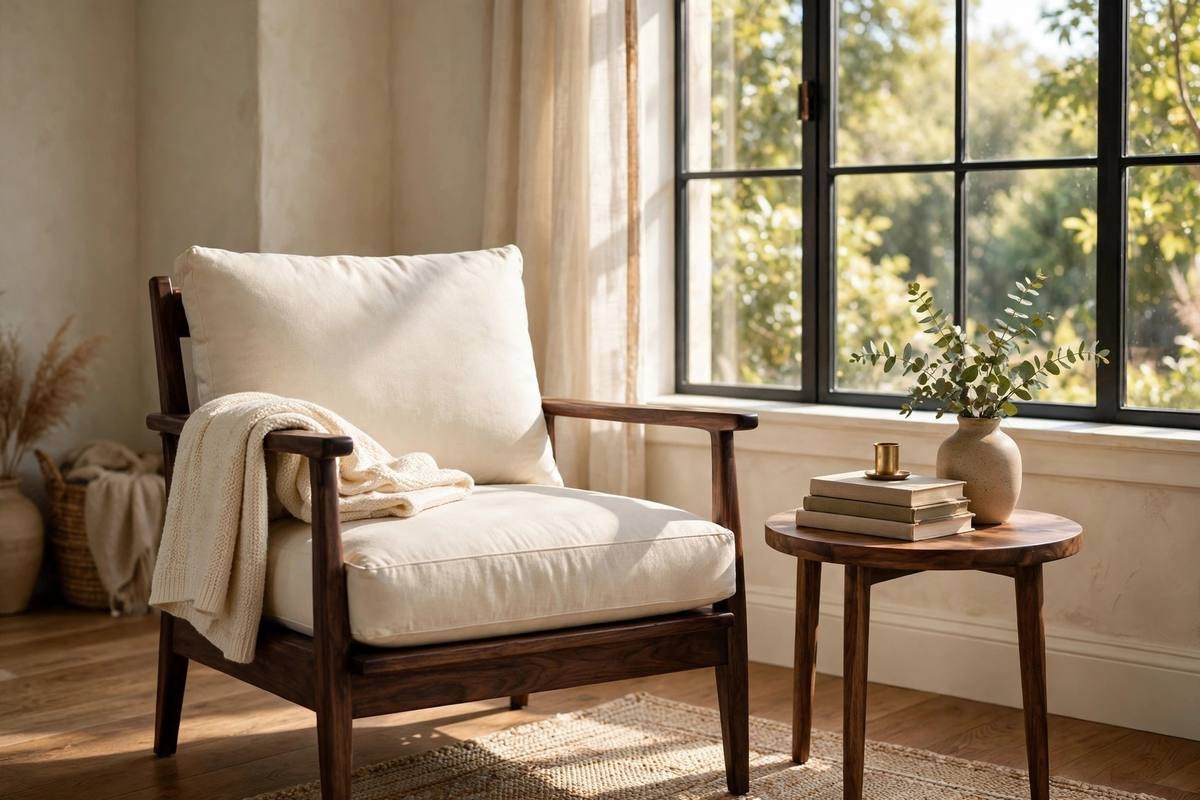
The classic pairing for dark wood is cream or ivory upholstery. A dark walnut armchair frame with cream cushions, or an espresso dining table surrounded by cream dining chairs, creates the light-dark tension that makes both materials shine. The cream softens the wood's severity while the wood gives the cream definition and prevents it from looking bland. Extend the pairing through the room: cream curtains, a light rug, and ivory throw pillows against dark wood furniture. For a full room built on this contrast, see our chocolate brown living room ideas.
7. Add Dark Wood Picture Frames
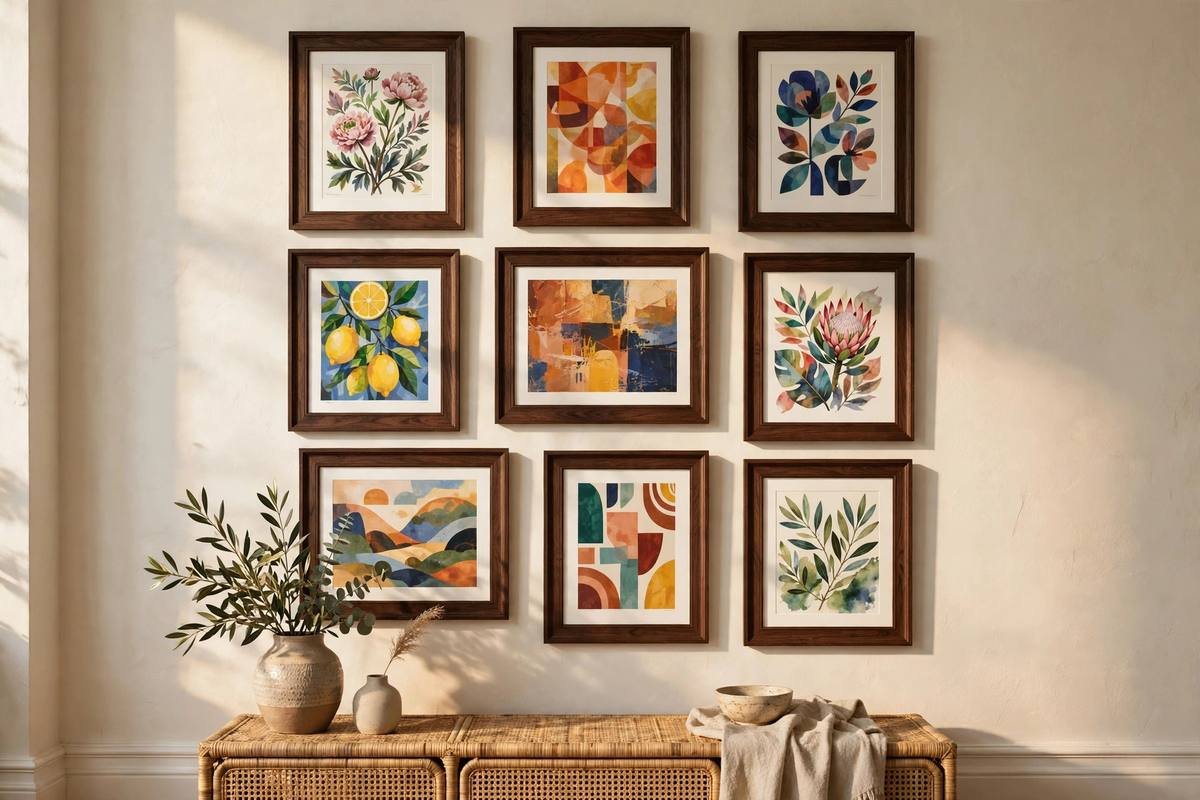
If you are not ready for dark wood furniture, start with picture frames. A gallery wall of dark wood frames — or even three large frames in a row — adds rich tone at minimal cost and commitment. Dark frames make artwork pop, especially colorful or black-and-white prints, and they tie together disparate pieces into a cohesive display. Mix frame widths slightly for a collected look, or keep them identical for modern precision. This is the easiest way to test whether dark wood suits your space before investing in bigger pieces.
8. Warm Up with a Dark Wood Mantel
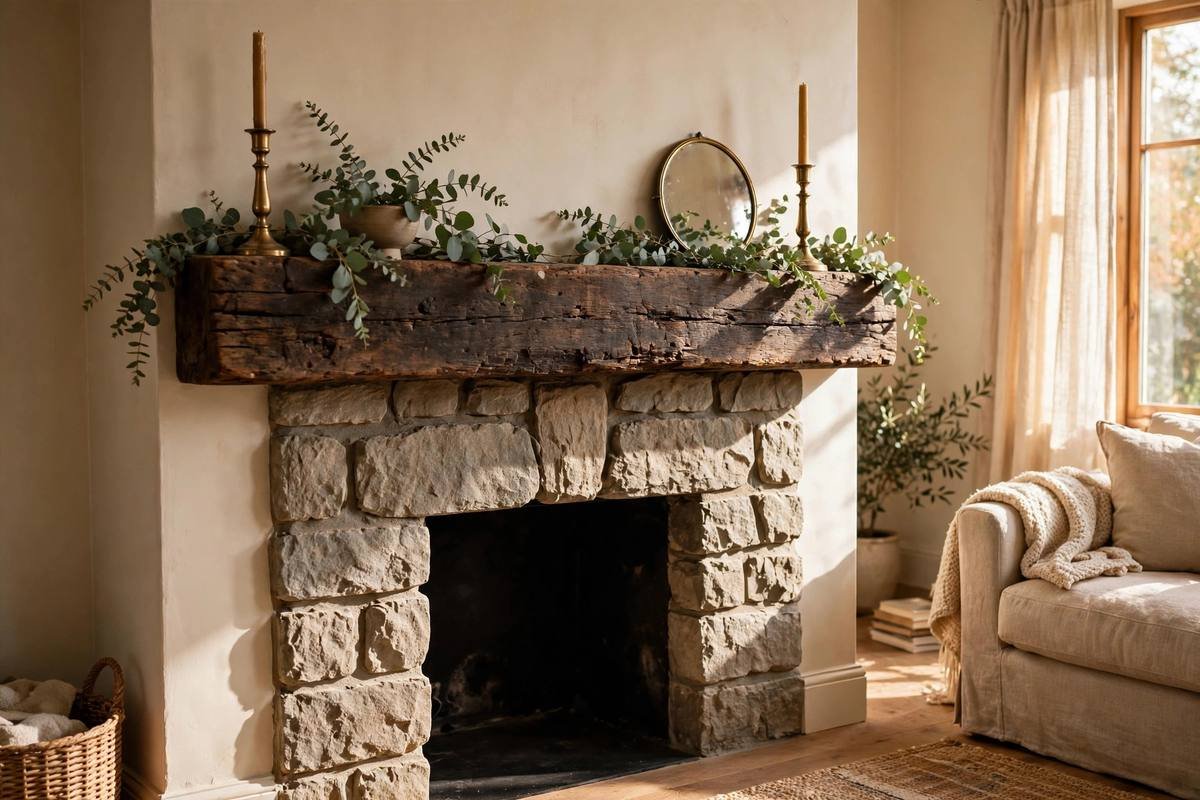
A dark wood mantel beam or surround transforms a fireplace into a moody focal point. A thick reclaimed beam in dark walnut tones adds rustic warmth, while a sleek dark-stained surround suits contemporary rooms. Style the mantel with candlesticks, a mirror or art, and seasonal greenery — the dark wood makes everything placed on it look more deliberate. If your fireplace is currently light stone or tile, the dark wood creates beautiful contrast. Keep the firebox interior clean and dark so the whole composition reads as one warm, glowing unit.
9. Use Dark Wood in the Dining Room

Dark wood dining furniture — table, chairs, or both — creates an intimate, restaurant-like atmosphere that lighter woods cannot match. A dark wood dining table looks incredible with brass or black chandeliers above and linen table runners in natural tones. For everyday practicality, choose a finish that resists scratches and heat marks, and use placemats to protect the surface. If a full dark set feels heavy, try a dark table with lighter chairs, or dark chairs around a lighter table. Candlelight on dark wood grain is one of the warmest sights in home design.
10. Layer Dark Wood with Moody Paint Colors
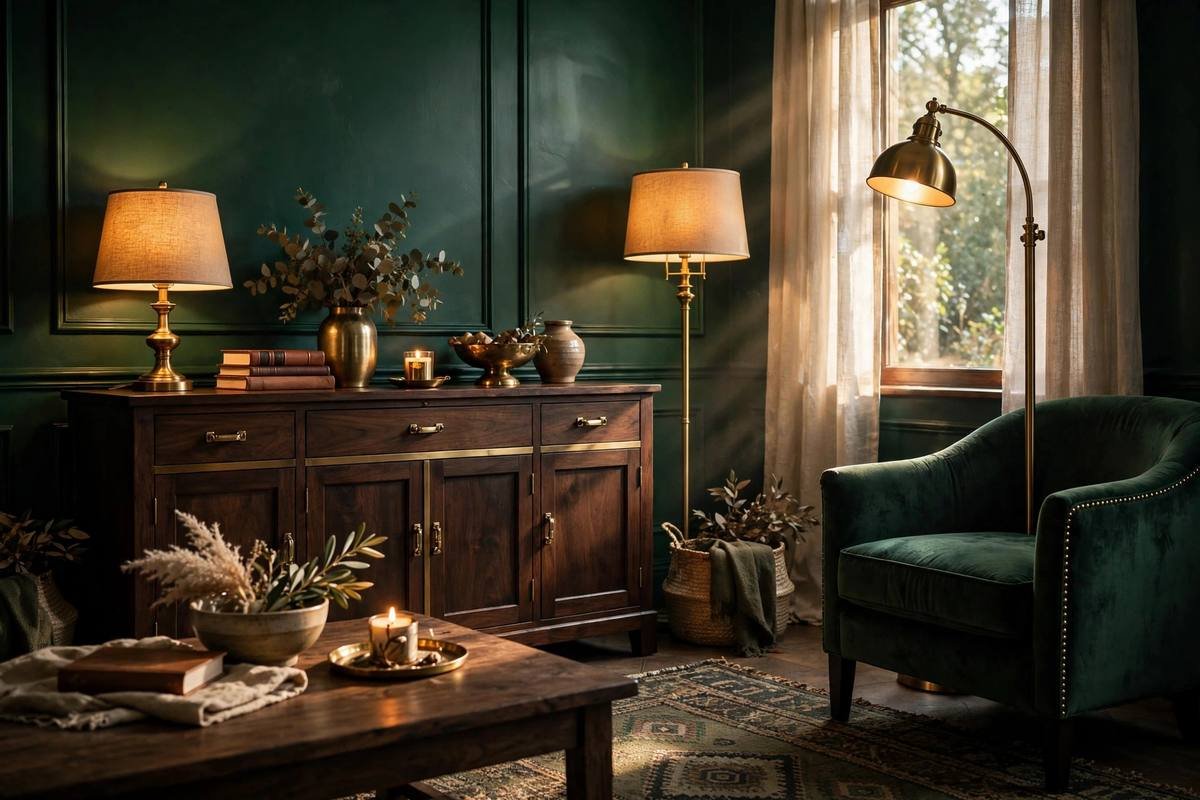
Dark wood truly sings against moody wall colors — deep green, charcoal, navy, or warm black. The tone-on-tone combination creates an enveloping, cocoon-like room that feels luxurious and intentional. The key is lighting: layer table lamps, floor lamps, and picture lights so the dark surfaces glow rather than disappear. Add metallic accents in brass or gold to catch the light and add sparkle. This is a bold move best suited to rooms where you want drama — dining rooms, libraries, and bedrooms. For wall color guidance, our black accent wall ideas pair perfectly with dark wood.
11. Add Small Dark Wood Accessories
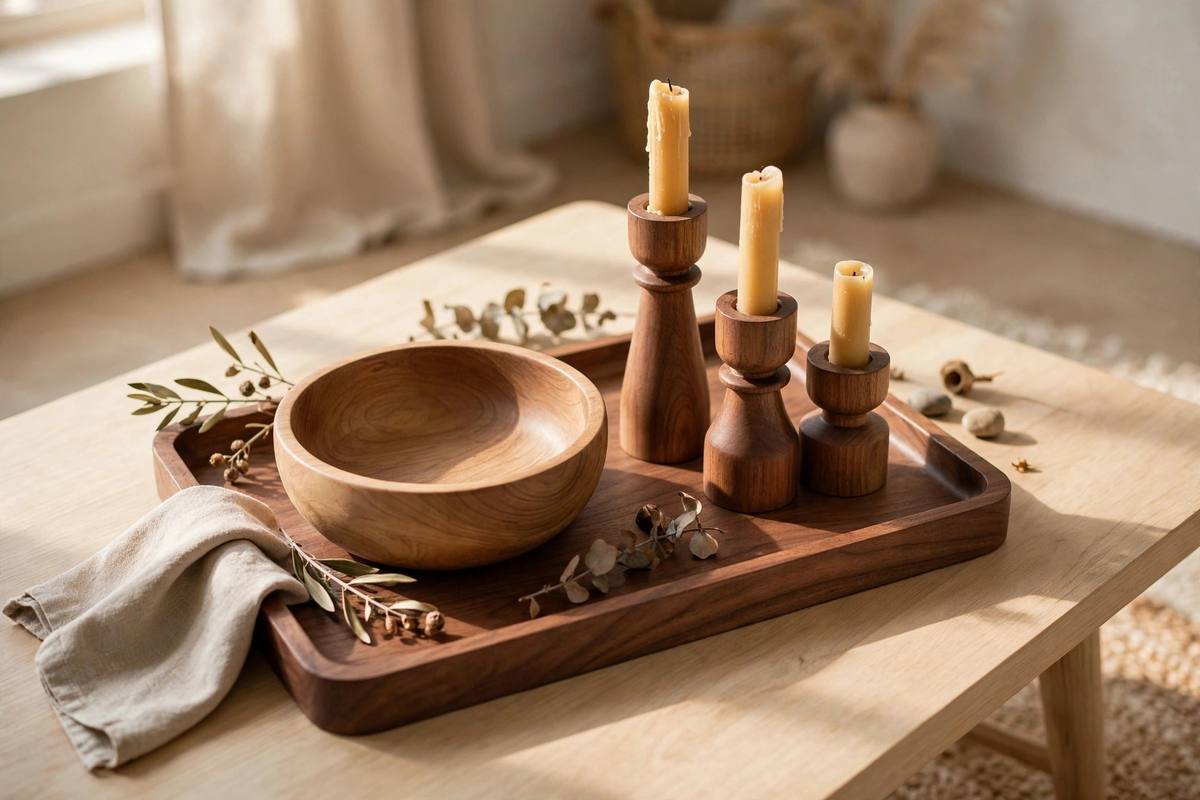
Scatter dark wood through a room in small doses: a walnut tray on the coffee table, dark wood bookends, a turned-wood bowl, or wooden candle holders. These accessories add warmth to rooms that are otherwise light and airy without changing the overall feel. They are also the most affordable entry point — a beautiful wooden bowl costs far less than a walnut sideboard. Group two or three dark wood accessories together for impact rather than dotting them around singly. Small pieces let you experiment with the material in every room, including kitchens and bathrooms.
12. Balance with Warm Lighting
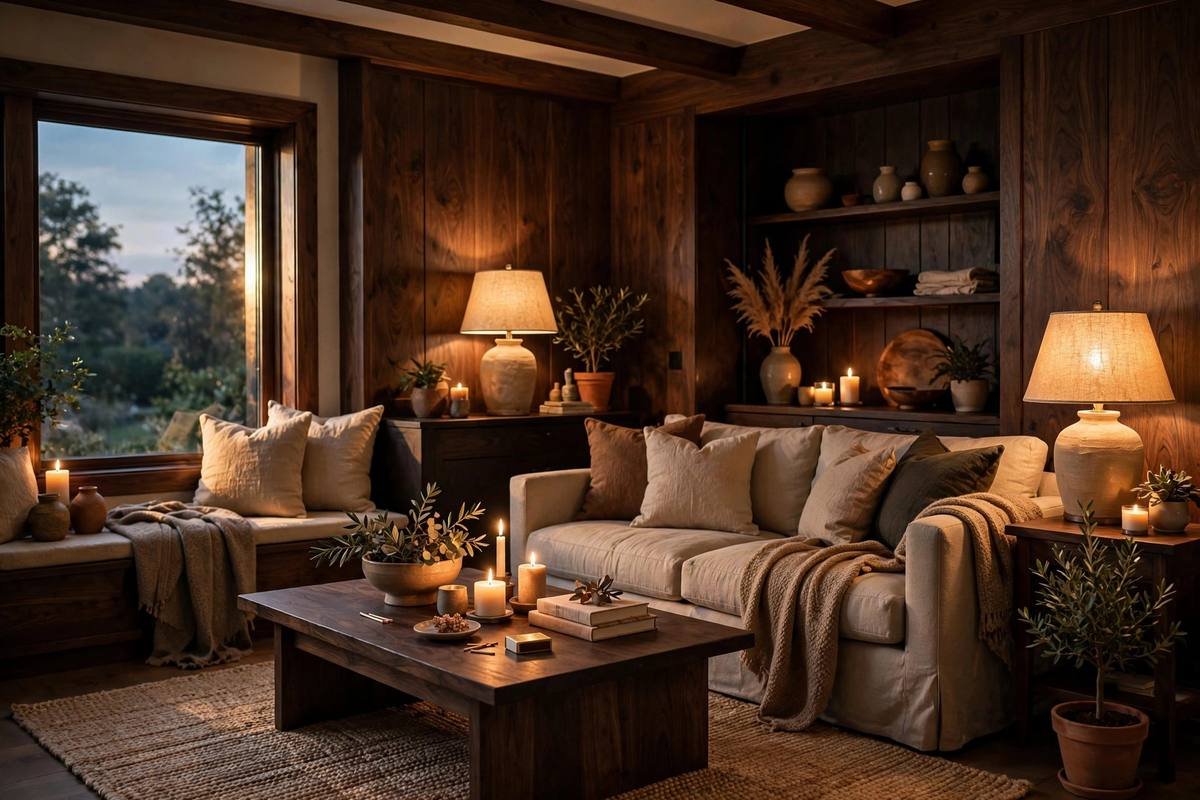
Dark wood absorbs light, so warm lighting is not optional — it is essential. Use bulbs at 2700K or warmer throughout rooms with dark wood accents, and layer multiple light sources at different heights. Table lamps with fabric shades cast a flattering glow across wood grain; picture lights highlight art hung on dark walls; candles add flickering warmth that makes dark wood look alive. Avoid cool white overheads, which make dark wood look flat and gray. The right lighting is what separates moody-warm from merely dark.
Frequently Asked Questions
Does dark wood make a room look smaller? It can if overused, but strategic dark wood accents actually add depth that makes a room feel richer, not smaller. Keep walls light, use dark wood on furniture rather than all surfaces, and ensure good lighting. One or two dark pieces in a light room create contrast without shrinking the space.
What colors go well with dark wood? Cream, ivory, and warm white are the classic partners. Deep greens, navy, charcoal, and warm blacks create moody tone-on-tone looks. Brass and gold metallics add warmth and light. Avoid pairing dark wood with lots of gray, which can feel cold and flat.
Is dark wood furniture dated? Not when chosen well. Heavy, ornate dark wood can feel dated, but clean-lined walnut and dark oak pieces are timeless — midcentury modern design proves it. The key is silhouette: simple, well-proportioned dark wood furniture never goes out of style.
How do I keep dark wood from looking too heavy? Balance it with light upholstery, pale walls, and plenty of lighting. Choose pieces with legs rather than blocky bases so floor shows underneath. Mix in glass, light textiles, and metallics to keep the overall feel airy. And edit — fewer dark pieces with more contrast beats a room full of dark wood.
What is the difference between walnut, mahogany, and espresso finishes? Walnut is a natural wood with rich brown tones and beautiful grain — the most versatile choice. Mahogany has reddish undertones and a more traditional feel. Espresso is a stain color, usually applied to oak or rubberwood, giving a near-black brown. For timeless appeal, natural walnut is hard to beat.