12 Kitchen Nook Ideas for Small Kitchens
12 Kitchen Nook Ideas for Small Kitchens
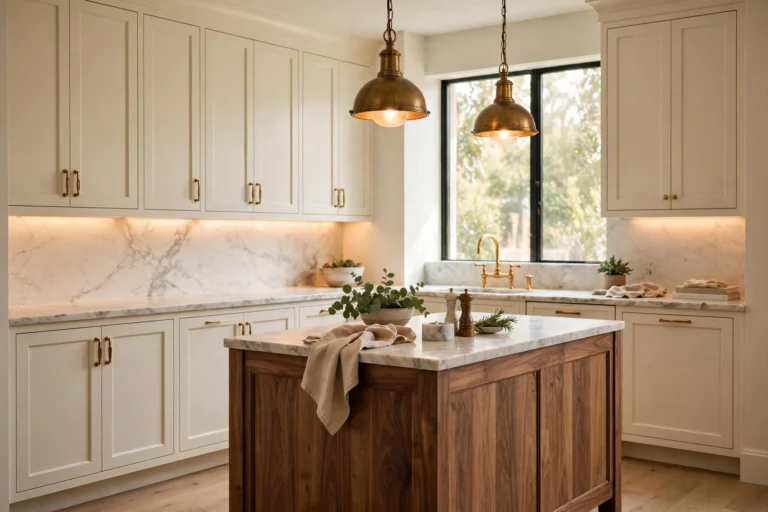
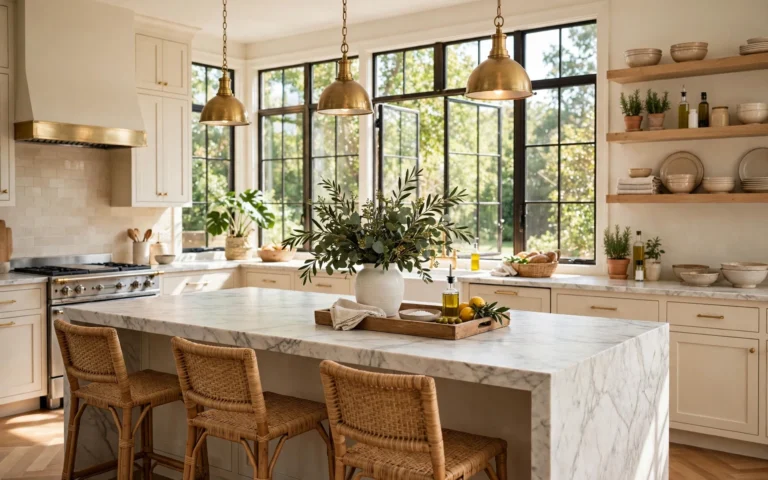
Every kitchen deserves a nook — a small, claimed spot for coffee, homework, and lingering after meals. These kitchen nook ideas are sized for small kitchens: corner banquettes, pedestal tables, window benches, and island seating that earn their footprint. This Spruce nook guide shows the range of layouts. Below, each idea comes with the measurements that make it comfortable — bench depths, table diameters, pendant heights — plus the honest drawbacks, because a nook that seats four on paper but bruises knees in real life is no bargain.

1. Build a Corner Banquette
Of all the kitchen nook ideas here, the corner banquette seats the most people in the least floor space, because nobody needs pull-out room against the walls. Aim for a bench depth of 16 to 18 inches and a seat height around 18 inches, pair it with a pedestal table you can slide past, and put hinged storage inside for linens and small appliances. These breakfast nook ideas show the style at its best. Two practical notes: choose a washable cushion fabric — breakfast spills are guaranteed — and fit soft-close hinges, because storage benches and small fingers are a pinching hazard.
2. Use a Small Round Pedestal Table
A 32- to 36-inch round table seats two comfortably and four at a squeeze, and a pedestal base keeps knees and chair legs from fighting over the same space. Tuck it into a corner or center it under a window. Round tables are the nook’s best friend in rentals and narrow kitchens because there are no corners to catch a hip on when you pass with a hot pan. The trade-off is surface area: a 36-inch top disappears fast under homework, laptops, and a fruit bowl, so a nook this size works best when the island or counter absorbs the overflow.

3. Claim the Window With a Bench Nook
The spot under the kitchen window is usually the brightest seat in the house, and morning coffee genuinely tastes better in it. A low bench or two cafe chairs with a small table turn dead wall into the most-used seat in the kitchen. Add a cushion the depth of the bench and one lumbar pillow per seat. Be honest about the downsides: south- and west-facing windows bring glare and heat at breakfast in summer, and a bench under a window can block a radiator or a low sill you need to open. Sheers or a simple roller shade fix the glare without killing the light.

4. Style With Cushions and Pillows That Can Be Washed
Banquette cushions in a washable, wipeable fabric — outdoor canvas, performance weave, or a removable cotton cover — are what separate a nook that gets used daily from one everyone is afraid to sit in. Add two or three pillows for back support on a deep bench, in patterns pulled from the kitchen’s existing colors rather than a new palette. Comfort invites lingering; that is the whole point of a nook. Rotate and plump cushions weekly so the foam wears evenly, and keep one spare cover for the seat that takes the coffee spills.
5. Hang a Pendant Over the Table
A single pendant centered over the nook table defines the zone and makes a corner feel like a room. Hang it about 30 inches above the tabletop — low enough to feel intimate, high enough to see faces across it — and put it on a dimmer with a warm bulb. These pendant ideas help you size the fixture to the table. One caution: in a small kitchen the pendant becomes the ceiling’s focal point, so an oversized shade will crowd the space visually; a shade roughly half the table’s diameter is a safe proportion.

6. Keep It Simple: Table, Seating, Light, Done
Small kitchens punish over-furnished nooks. The edited version — one table, the right seating, one light, a small plant — gets used more than a nook crowded with a hutch, extra chairs, and decor. These small kitchen ideas show the same restraint working across the whole room. Walk the path around your nook with a laundry basket in hand before you add anything; if you turn sideways, the nook is too big. Simplicity is also cheaper: three good pieces beat seven mediocre ones, and the nook stays easy to clean around.
7. Kitchen Nook Ideas With Open Shelving Above
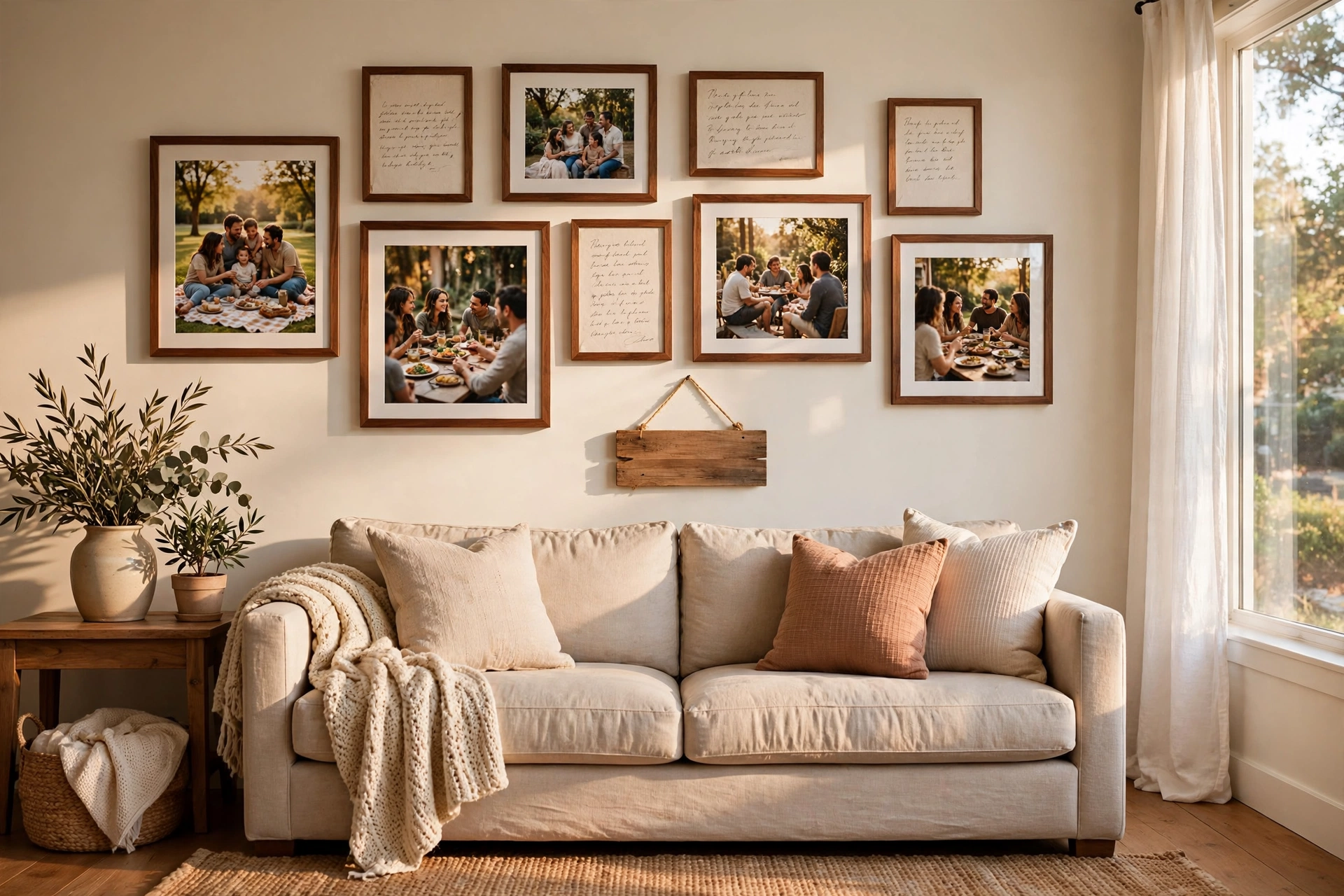
Open shelves above a banquette put the wall to work: everyday dishes at arm’s reach, a few pretty pieces on the top shelf. Keep shelves 10 to 12 inches deep — shallower than upper cabinets, so nobody cracks a head leaning back — and anchor them into studs, because stacked stoneware is heavy. Style them in groups with breathing room, not a solid wall of stuff. The honest cost of open shelving is upkeep: everything on it collects kitchen grease and dust, so if you will not wipe shelves monthly, choose one closed cabinet instead and save yourself the resentment.
8. Use the Island Overhang as the Nook
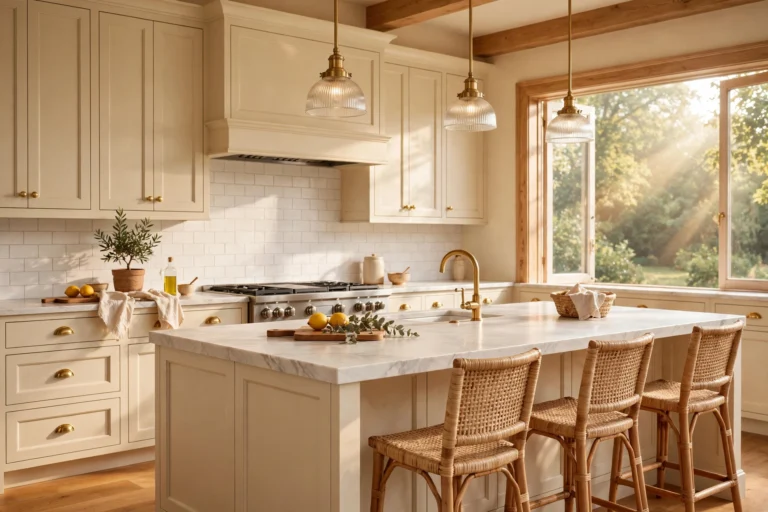
If your kitchen has an island with a seating overhang, it already is a nook — it just needs stools and intention. You want 12 to 15 inches of knee space under the counter and counter stools around 24 inches tall for a standard 36-inch island. These island decor ideas style the island itself. The advantages are real: no extra furniture, and the cook stays part of the conversation. The limitations are equally real: island seating faces a workspace, stools drift and clutter the walkway, and there is no back support for long sits — fine for breakfast, poor for a two-hour homework session.
9. Create a Coffee Corner in the Nook
Dedicate one end of the nook to the morning ritual: the coffee machine or a pour-over setup, mugs on hooks or a small shelf, beans in a sealed jar, and a tiny tray for syrups and spoons. A coffee corner gets used every single day, which makes it the hardest-working version of a nook. Keep the machine’s steam away from cushion fabric and upper shelves — moisture swells wood and mildews textiles over time. If counter space is tight, a narrow rolling cart beside the bench holds the whole station and tucks away when guests come.
10. Add a Rug for Warmth Under the Table
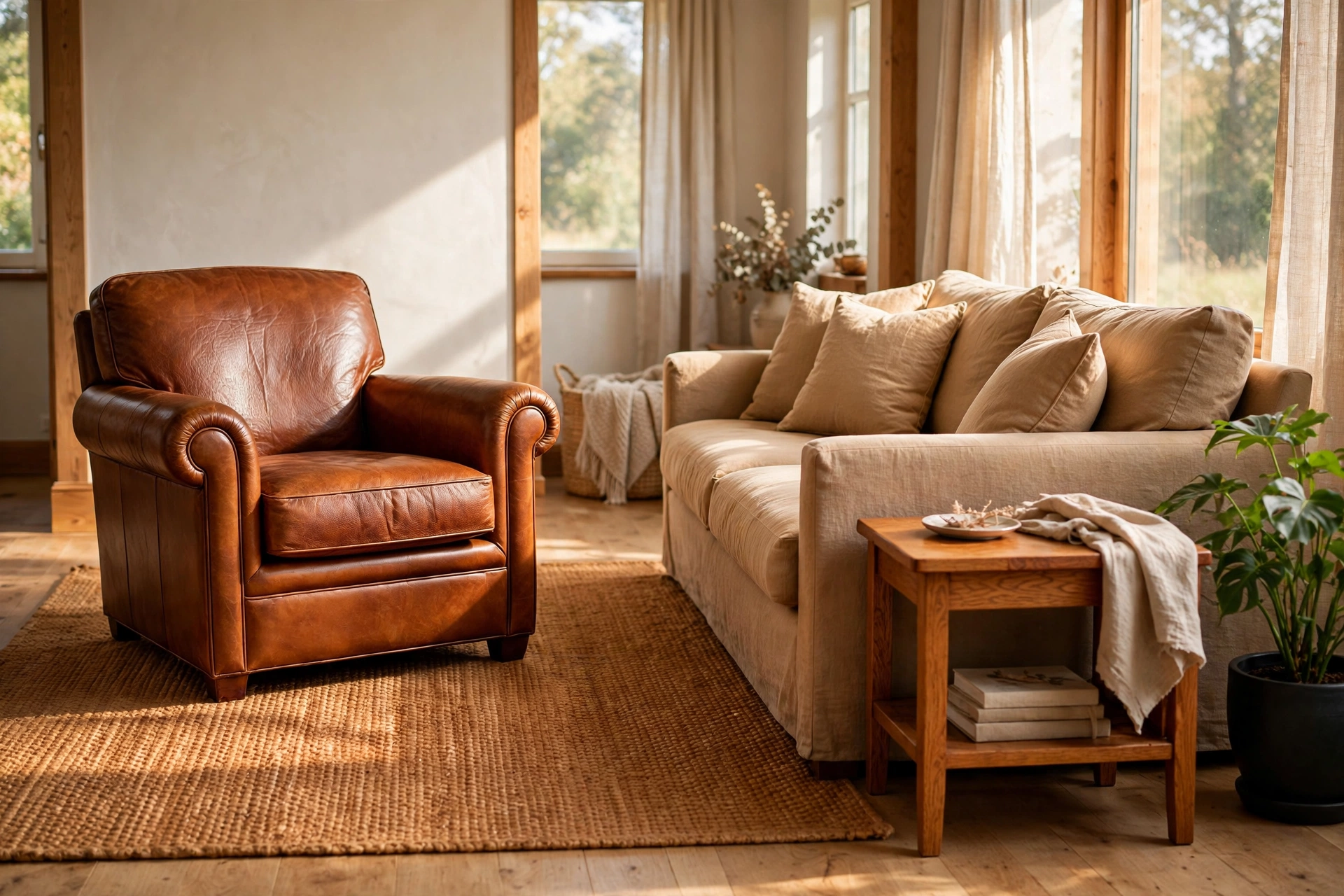
A washable flat-weave rug under the nook table warms cold tile, muffles chair noise, and draws a boundary around the zone in an open-plan kitchen. Size it so chairs stay on the rug when pulled out — roughly 24 inches beyond the table on the sides people sit. Flat weaves let chairs glide; plush rugs grip chair legs and collect crumbs in the pile. A rug is one of the cheapest kitchen nook ideas to test before committing to built-ins. Choose a pattern busy enough to forgive crumbs between vacuums, because a nook rug lives where food falls.
11. Style Seasonally With Small Swaps
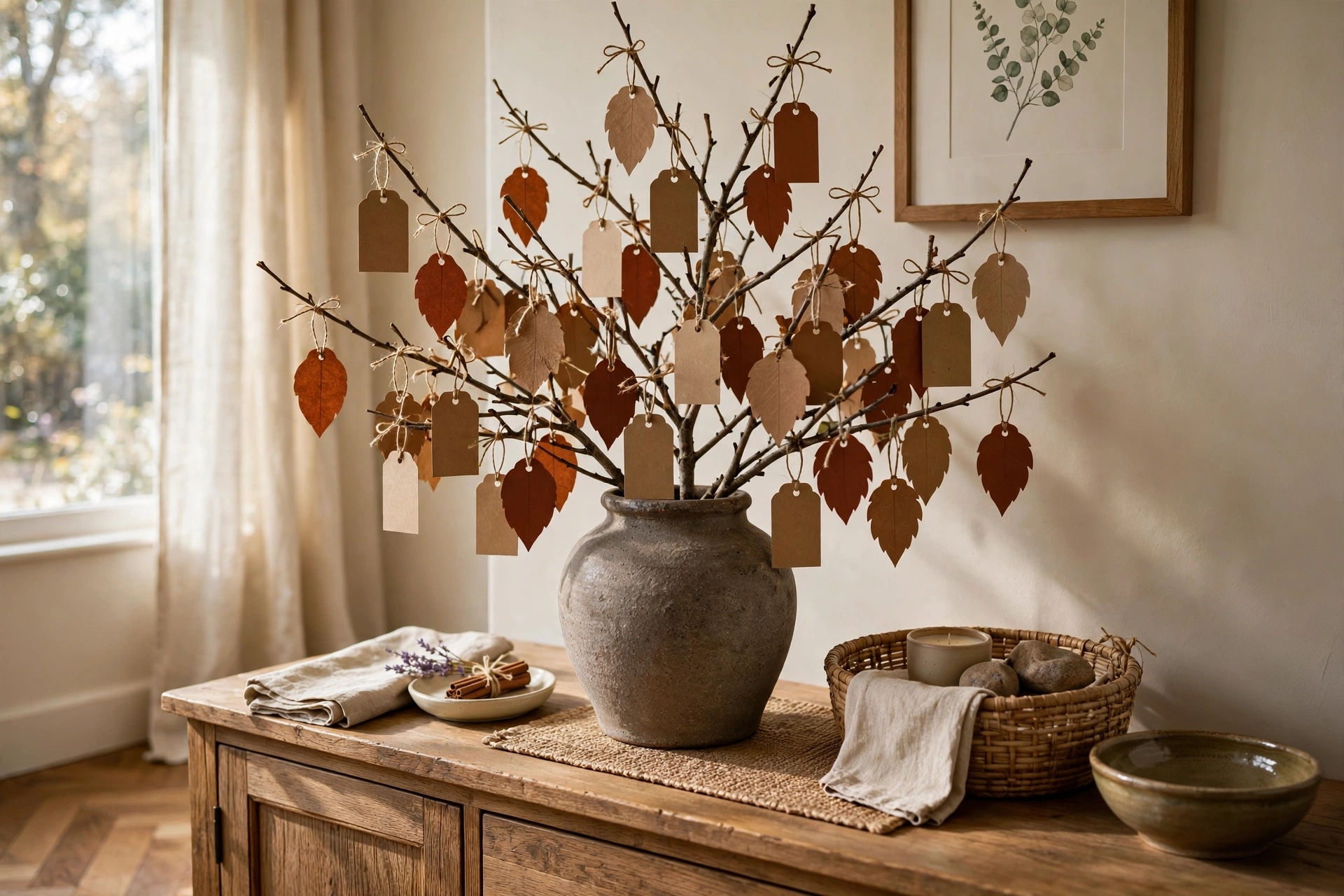
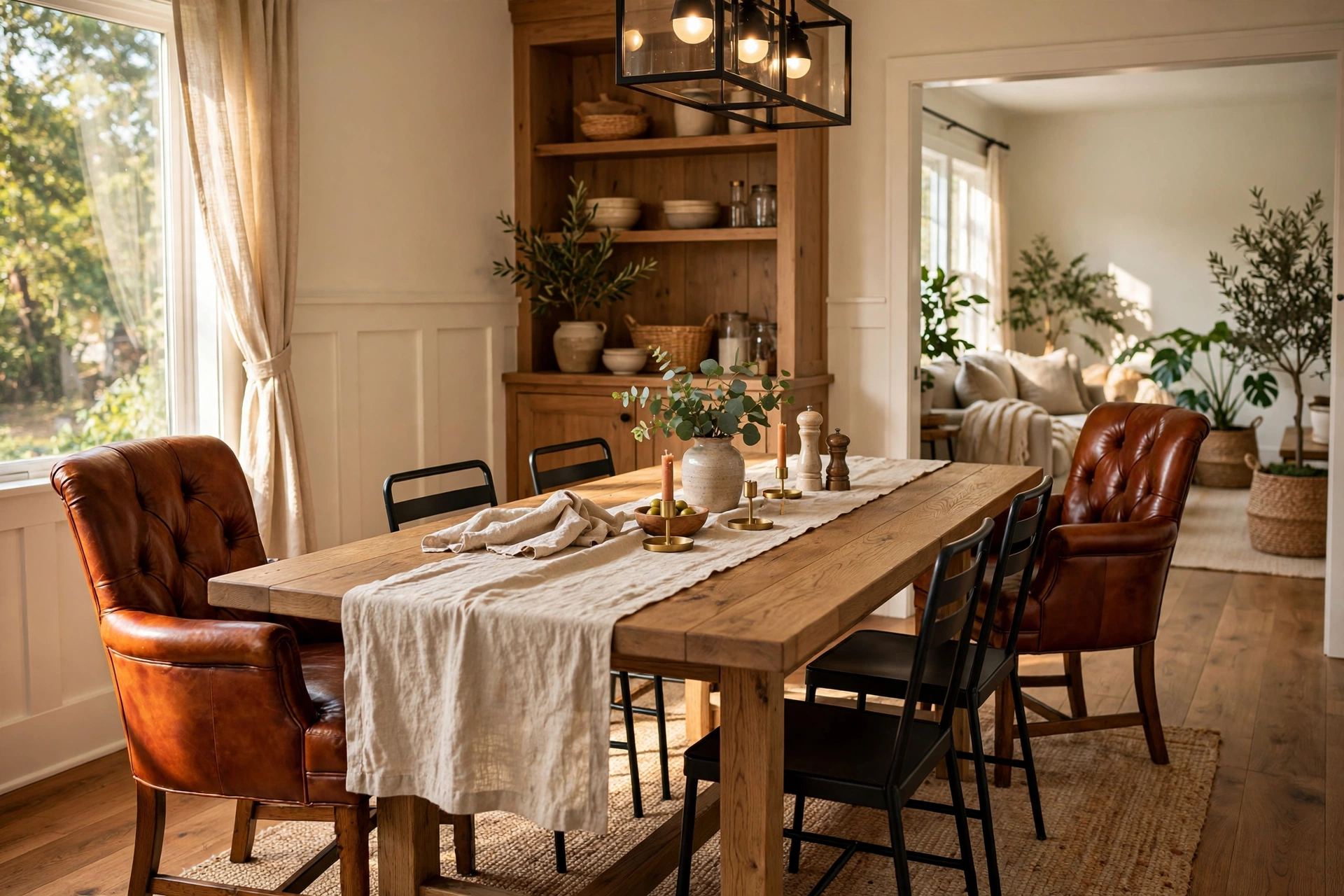
A nook refreshes in minutes when the bones stay put and only textiles change: a fall throw over the bench back, holiday pillows in December, a linen runner and a bowl of citrus in spring. Keep one small storage box for the off-season pieces so swapping stays a five-minute job. Seasonal styling keeps the most-used corner of the kitchen from going invisible — the family notices the nook again. Restraint applies here too: two or three seasonal pieces signal the season; a full themed takeover of a tiny nook tips into clutter by week two.
12. Keep It Clutter-Free With a Nightly Reset
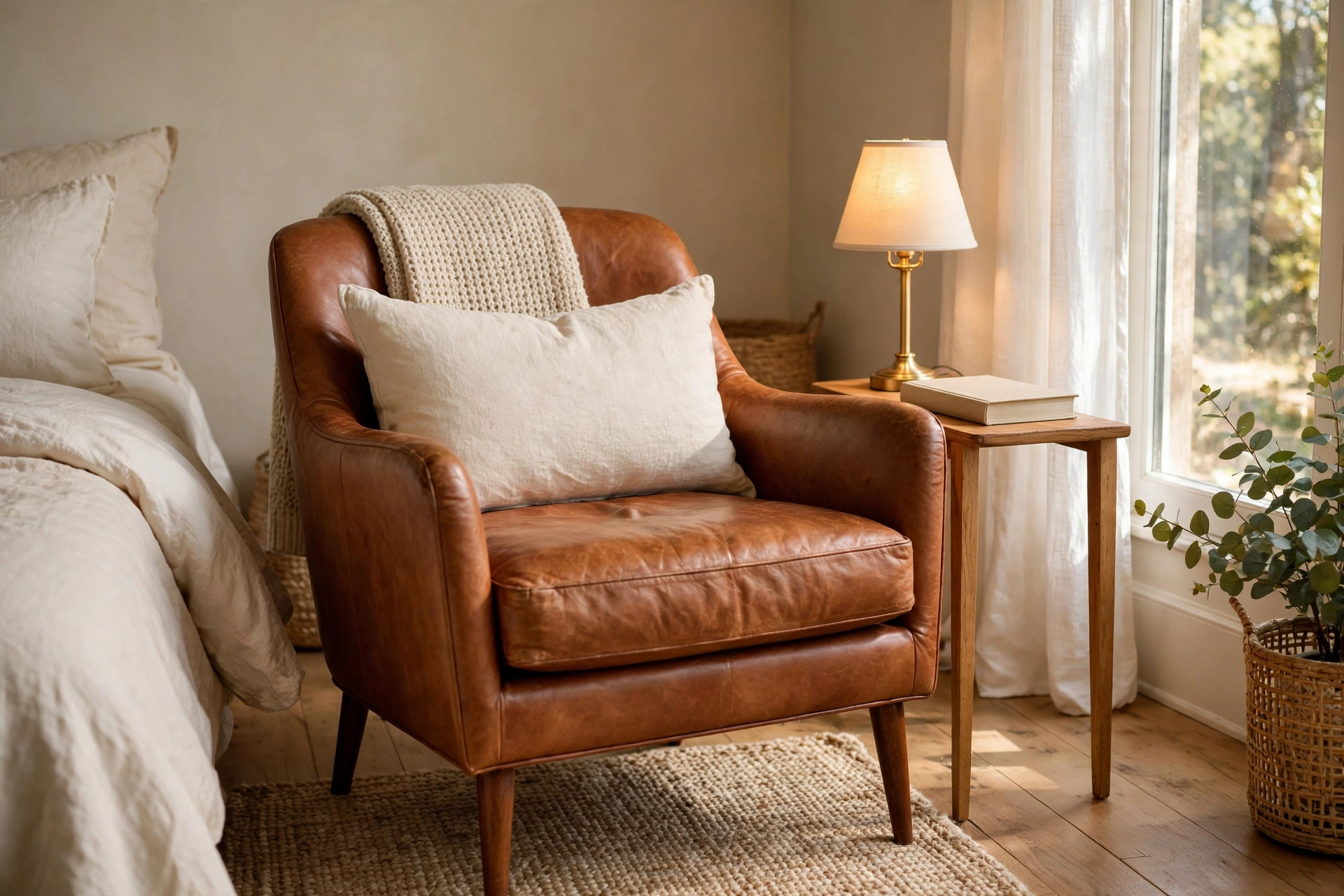
Nooks attract the household’s drift — mail, keys, chargers, homework — because a flat surface near the door is where things land. Give the drift one small tray or basket on the table’s edge, and make a family rule that the nook resets before dinner: tray contents get sorted, the surface wiped, cushions straightened. A tidy nook invites sitting; a buried one becomes storage with chairs. If the tray overflows nightly, the nook is telling you the entryway needs a landing spot more than the nook needs a bigger tray.

Frequently Asked Questions
How much space does a kitchen nook need? A two-person nook fits in about 4×4 feet; a banquette nook needs roughly 5×5 to seat four with knee room. Measure your corner first, including the walk path around it.
What is the difference between a nook and a breakfast nook? They are the same idea — a cozy eating spot in or beside the kitchen. “Breakfast nook” traditionally implies morning use; “kitchen nook” is the general term.
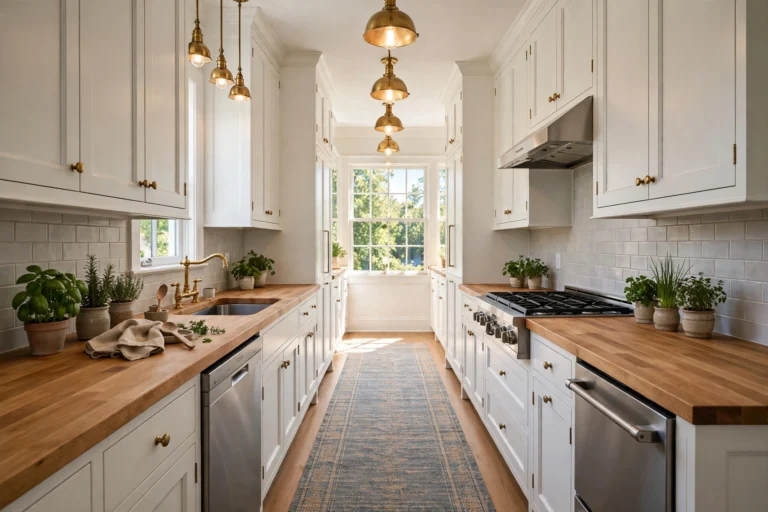
Can a nook work in a galley kitchen? Yes — a narrow wall-mounted fold-down table with stools, or seating at the island overhang. Galleys need slim solutions that keep the work aisle clear.
How do you make a nook comfortable? Cushioned seating at the right height, warm light around 30 inches above the table, and washable textiles. Comfort is what gets a nook used every day.
Recommended Ebook
Small Space Checklists & Planners
299 fillable checklists and planners for small space living — tick boxes digitally or print and use!
Only $7
Conclusion
The kitchen nook ideas that last are the comfortable ones: seating you can sit in for an hour, light that flatters breakfast, and surfaces that reset in a minute. Start with seating, add the pendant, and even the smallest kitchen gains its favorite spot.