12 Color Drenching Ideas for Bold, Cocooning Rooms
Color drenching is the paint move that changes everything at once: one considered color carried across walls, trim, ceiling, and doors until the room feels wrapped rather than decorated. Done well, it hides awkward architecture, makes small rooms feel intentional, and turns ordinary boxes into calm, cocooning spaces with real atmosphere. The best color drenching ideas start with mood, not just a paint chip. The best color drenching ideas start with a color you already love living with.
The technique is simpler than it looks, because one color removes a dozen contrast decisions. As Camille Styles explains in its guide to the trend, color drenching covers a space in a single shade with minimal contrast — walls, ceilings, trim, and even furnishings — for a cohesive, calming effect. These twelve ideas show how to use it boldly and live with it happily. With one color doing all the work, these color drenching ideas are easier to live with than they first appear.

1. Begin with Deep Green Color Drenching Ideas for a Cocooning Bedroom

Deep green is where most people fall for drenching, and a bedroom is the perfect first room. Forest, pine, or a smoky sage-green carried over walls, trim, and ceiling lowers the visual temperature and makes the room feel held — ideal for sleep. Keep bedding in soft cream or warm white so the bed glows against the green, and add brass or warm wood for balance. Because green shifts with light, test a large sample through a full day first. In north-facing rooms choose a green with warm, yellow undertones so the cocoon feels mossy and calm rather than cold or swampy at night. That calm, wrapped feeling is exactly why these color drenching ideas work so well in a bedroom.
2. Wrap a Living Room in Midnight Navy
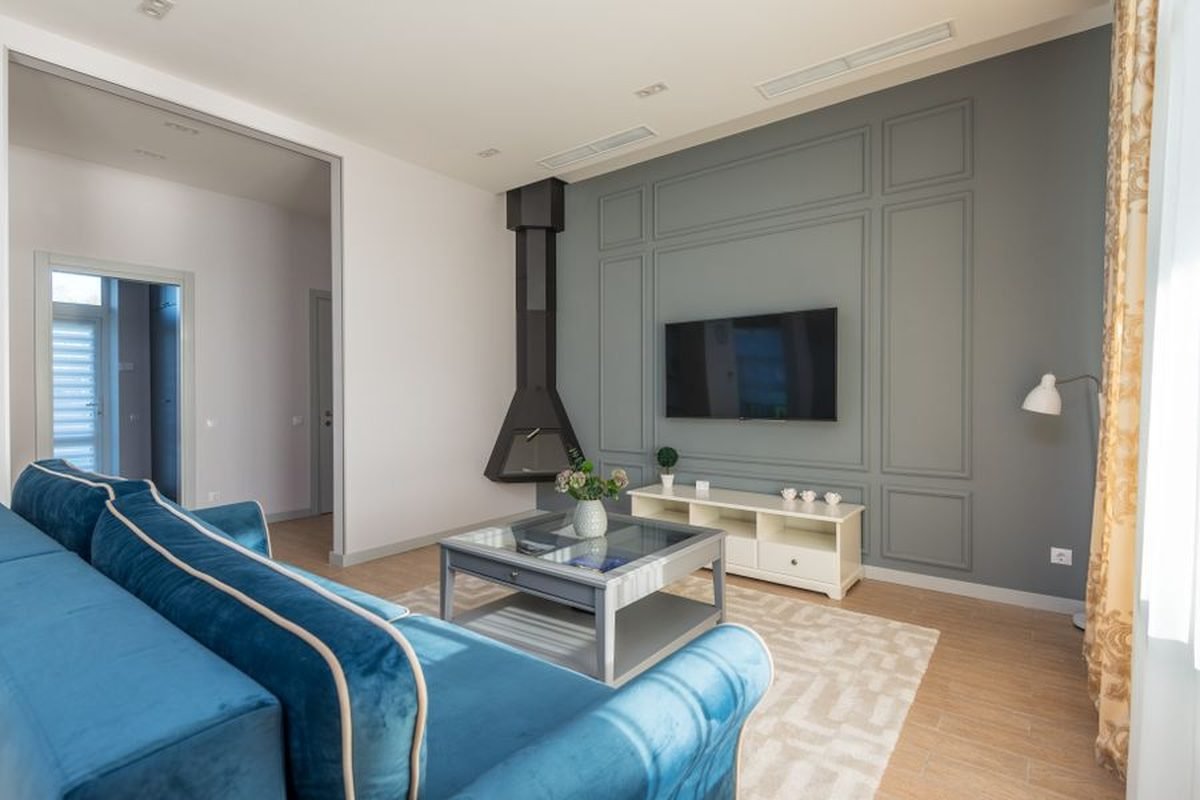
Navy drenching gives a living room the polished calm of a private club without any stuffiness. Paint walls, bookcases, trim, and ceiling the same deep blue, then layer a slightly lighter blue sofa, warm leather, and brass lamps so the room reads rich rather than dark. Navy is forgiving: it flatters wood floors, white upholstery, and almost every metal finish. If the full wrap feels like a leap, study dark blue living room schemes first — they show how beautifully layered blues behave with natural light, patterned rugs, and warm, low lamplight in the evening. For a polished, club-like living room, these color drenching ideas are a reliable place to start.
3. Drench a Dining Room in Burgundy for Drama

Few rooms reward drenching like a dining room, and few colors reward it like burgundy. Walls, trim, and ceiling in a deep wine red make candlelight look spectacular, faces glow, and even a simple weeknight dinner feel like an occasion. Keep the table in warm wood, add unlacquered brass or aged gold accents, and choose cream or blush textiles to soften the saturation. Burgundy also pairs naturally with the jewel tones in burgundy decor ideas — velvet chairs, dark florals, and vintage glassware — so a drenched dining room can grow richer layer by layer, season after season, without ever feeling overdone. That layered, candlelit richness is why burgundy color drenching ideas suit dining rooms so well.
4. Go Soft with Sage and Muted Greens for Calm
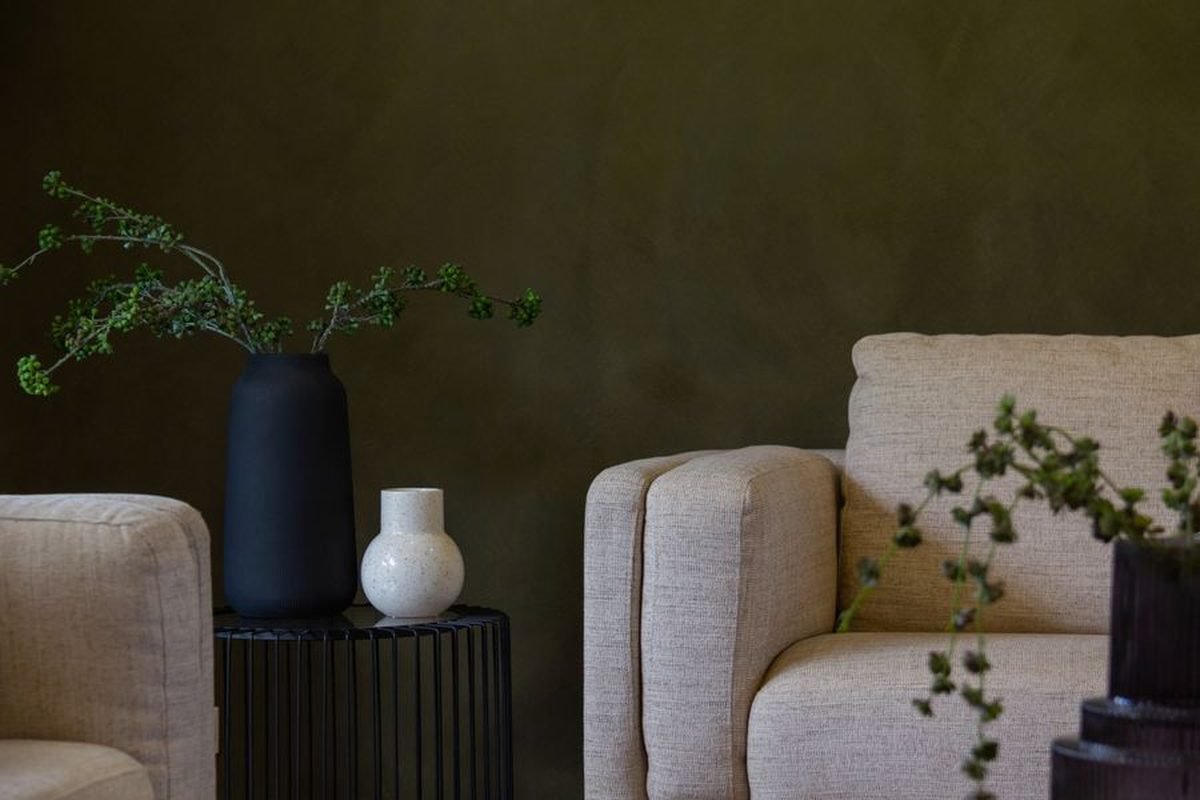
Drenching does not have to be dark. A soft sage, eucalyptus, or muted olive across every surface creates a quiet, garden-like calm that suits bedrooms, nurseries, and home offices where you need to think clearly. Pale drenching works because the lack of contrast — no bright white trim shouting at every edge — lets the eye rest. Choose a shade with gray in it so it stays sophisticated rather than sweet, and layer linen, pale wood, and matte ceramics in nearby tones. The result feels like morning light held still: gentle, fresh, and surprisingly elegant for such a simple, inexpensive change. For a softer, garden-like room, these color drenching ideas are an easy, elegant choice.
5. Warm Up with Terracotta and Clay Tones

Terracotta drenching brings permanent golden hour to a room. Clay, adobe, and warm rust tones across walls and ceiling make living rooms and kitchens feel sun-baked and welcoming, especially in spaces that get little natural sun. Balance the warmth with creamy textiles, black accents for definition, and plenty of natural texture — jute, rattan, raw wood, and handmade pottery all belong here. Watch your lighting: bulbs that are too cool can push terracotta toward orange, so choose warm-white bulbs and test the color at night. This palette loves plants, too; deep green leaves against clay walls look good in every season. That sun-baked warmth is what makes terracotta color drenching ideas feel welcoming all year.
6. Try Blush and Dusty Rose for a Soft, Romantic Wrap

Pink drenching, done in dusty, grayed tones, reads romantic rather than sugary. A blush or muted rose across a bedroom, dressing area, or powder room wraps the space in warmth that flatters skin and makes mornings gentler. Keep the palette grown-up with burgundy or black accents, aged brass, and natural linen, and avoid matching pink accessories everywhere — texture should vary even when color does not. Velvet, boucle, and brushed cotton in near shades give the room depth. This is also a forgiving first drench: the color is light enough to repaint easily if you later want a change. That soft, forgiving wrap is why blush color drenching ideas work so well for a first drench.
7. Go Bold with Charcoal and Near-Black in a Bedroom or Den

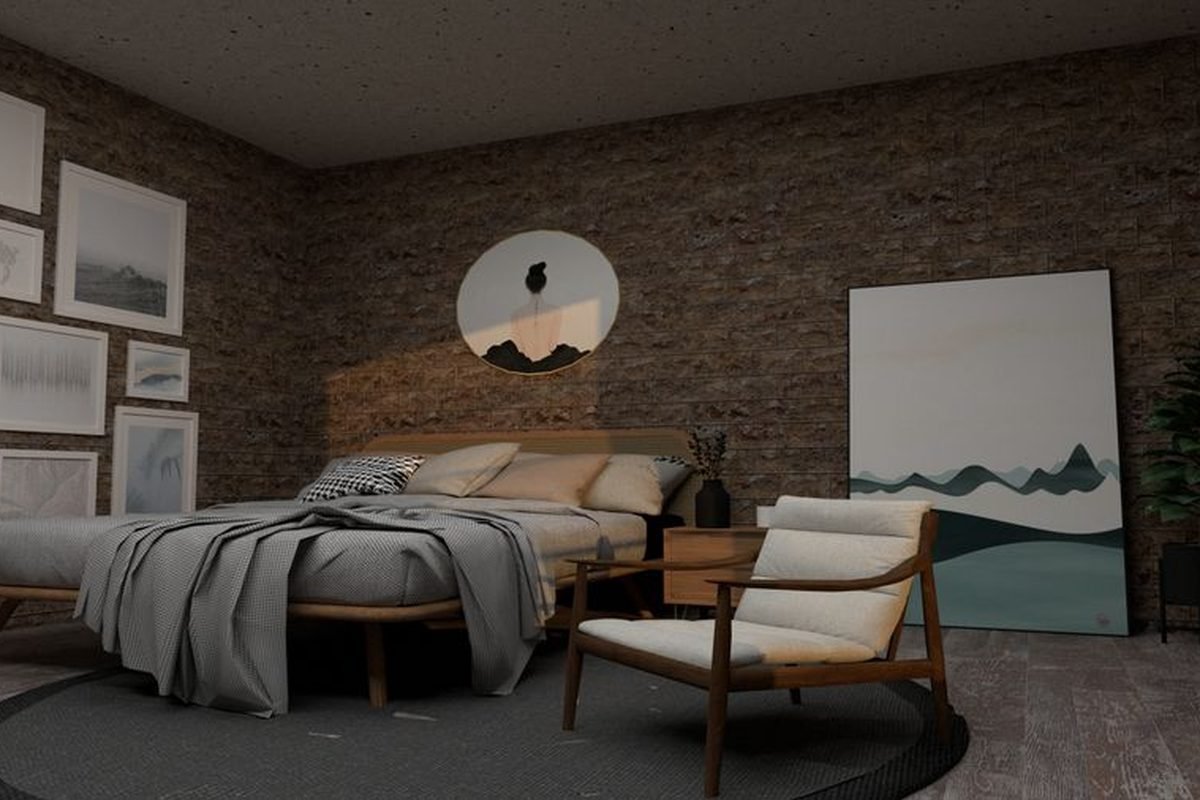
A charcoal-drenched bedroom is the cocoon at its most dramatic. Walls, shelves, trim, and ceiling in a soft near-black erase distractions, make screens and art glow, and turn a spare room into a retreat for reading, music, or films. The secret is light in layers: picture lights, a warm floor lamp, and candles or a fireplace keep the room moody rather than gloomy. If you have flirted with a black accent wall before, drenching is simply that idea completed — the remaining white surfaces are usually what stop a dark room from feeling truly calm, deep, and finished. With layered light, these color drenching ideas keep a dark room moody rather than gloomy.
8. Drench in Warm Cream and Greige for a Light, Airy Cocoon
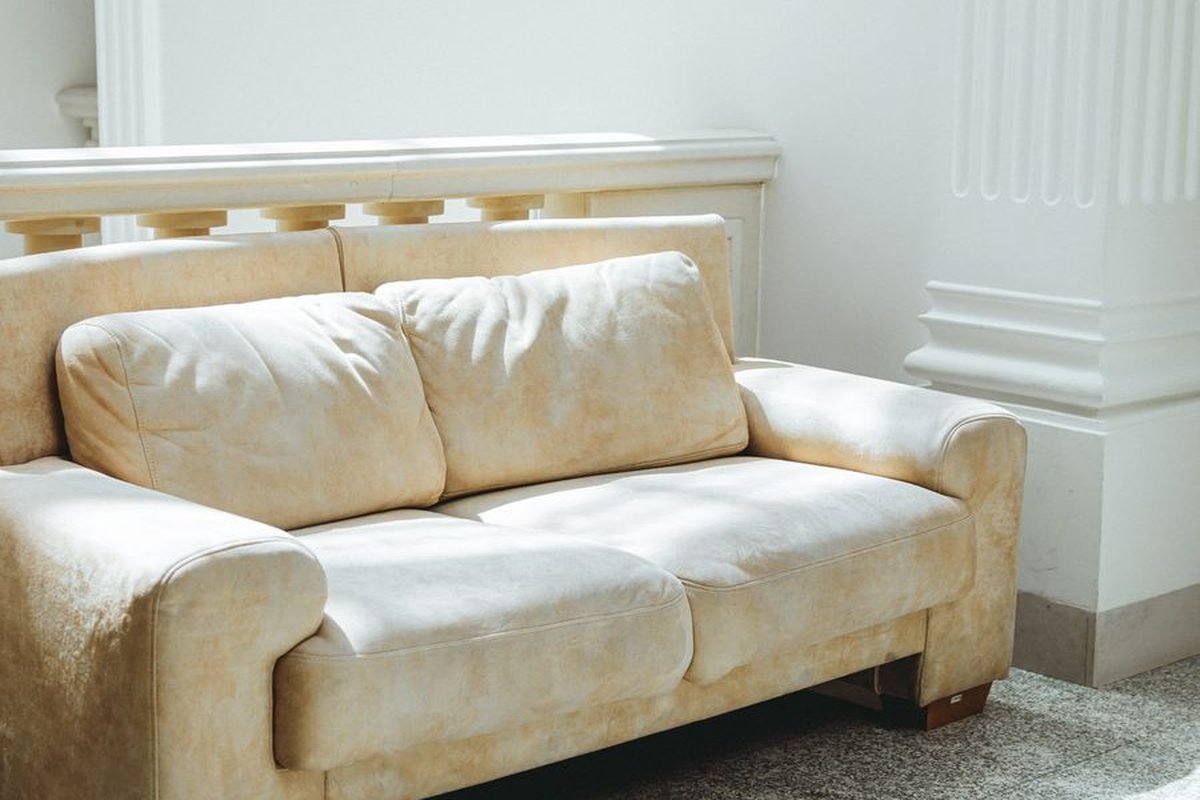
If dark colors are not your comfort zone, drench in a warm cream, bone, or greige instead. Painting trim, doors, and ceiling to match pale walls removes the stark white outlines that make many neutral rooms feel unfinished, replacing them with a soft, continuous calm. This light drenching suits living rooms, hallways, and open-plan spaces where several strong colors would fight. Depth comes from texture: limewash-look paint, nubby upholstery, pale oak, and unglazed ceramics in the same family. The room will feel bigger, quieter, and more expensive, even though the only change was a few cans of one well-chosen paint. For a light, airy cocoon, these color drenching ideas prove neutrals can still feel complete.
9. Layer Texture with Limewash and Plaster Finishes
A drenched room lives or dies on texture, because one flat color in one flat finish can fall dull by midday. Limewash and plaster-effect paints solve that beautifully: their cloudy, hand-worked movement gives a single color depth that shifts with the light, so walls feel crafted rather than coated. If you love the soft variation in limewash wall ideas or the artisan depth of plaster wall ideas, drenching with those finishes is the natural next step. Keep trim in the same color in a smooth eggshell, so the walls carry the texture while the woodwork quietly disappears into the whole. That hand-worked depth is why textured color drenching ideas feel crafted rather than flat.
10. Do Not Skip the Ceiling, Trim, and Doors

True drenching means every surface joins in. A white ceiling left behind slices the room visually and undoes the cocoon, while painted trim and doors remove the busy outlines that make rooms feel chopped up. Paint the ceiling flat or matte in the same color, trim and doors in eggshell or satin of the same shade for durability, and do not forget radiators, built-ins, and the inside of the front door where the room includes it. Yes, it is more taping and more patience — but this completeness is exactly what separates a deliberate drenched room from a room that simply has dark walls. Skipping no surface is what separates true color drenching ideas from a simple painted room.
11. Test the Trend in a Powder Room or Hallway

Small, pass-through spaces are drenching’s natural test lab. A powder room, hallway, pantry, or laundry room takes little paint, is easy to repaint, and delivers the full wrapped effect every time the door opens — a small jewel box that makes guests smile. Go bolder here than you dare elsewhere: aubergine, peacock teal, or a saturated rust you would hesitate to use at living-room scale. Because these rooms have few furnishings, add one beautiful mirror, warm lighting, and a patterned floor or rug for contrast. Live with your test room for a month; most people emerge ready to drench somewhere bigger. A small room is the lowest-risk way to try color drenching ideas before committing to a larger space.
12. Finish with Lighting, Sheen, and One Accent
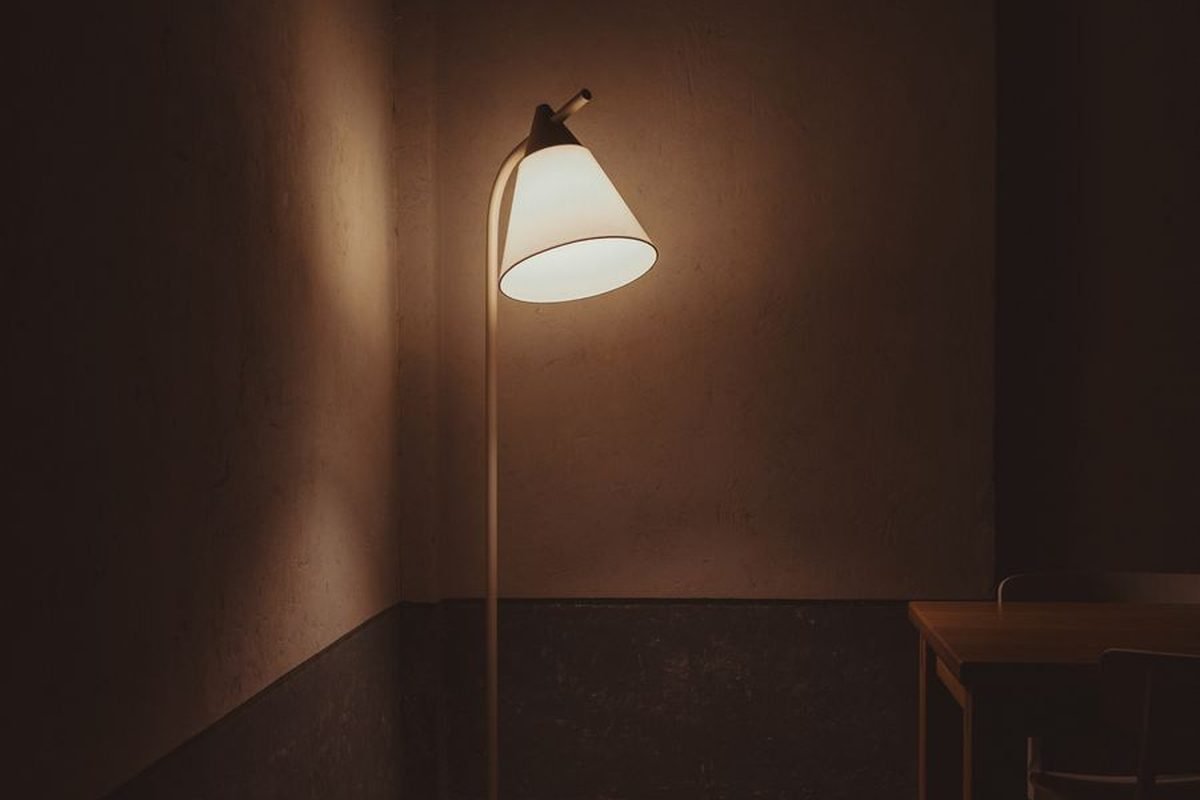
The finishing layer keeps a drenched room feeling designed. Use at least three light sources at different heights, all with warm bulbs, so the color glows instead of flattening. Vary sheen deliberately — matte walls, satin trim, a glossy door or cabinet — because the tiny shifts in reflection are what give one color its depth. Then add a single contrasting accent: black hardware, a pale artwork, or a natural wood stool, used sparingly so the wrap stays intact. Step into the doorway at dusk, when the room works hardest, and adjust lamps before you judge the color — lighting, not paint, is usually the fix. With layered light and one quiet accent, these color drenching ideas finish feeling intentional rather than heavy.
Frequently Asked Questions
What exactly is color drenching?
Color drenching means painting walls, trim, ceiling, and doors in the same color — sometimes including furniture and radiators — so a room is wrapped in one shade with minimal contrast. Different sheens of that color add depth while the single hue creates the calm, cocooning effect.
Does color drenching make a room look smaller?
Not usually. By removing high-contrast edges, drenching blurs a room’s boundaries and can make small rooms feel larger and more intentional. Dark drenching makes a room feel cozier, which many people love in bedrooms and dens; light drenching keeps spaces airy while still looking finished.
What is the best color for a first color-drenched room?
Deep greens, navy, and soft sage are the most forgiving — rich enough to deliver the effect, calm enough to live with daily. Start in a bedroom, study, or powder room, and always test a large sample in the room’s real light, morning and evening, before committing. For a first attempt, these color drenching ideas are most forgiving in deep green, navy, or soft sage.
Should the ceiling really be the same color?
For the full effect, yes. A white ceiling breaks the wrap and draws the eye upward. Painting it the same color — usually in a flat finish — completes the cocoon. If that feels like too much, use a shade one step lighter from the same color family as a gentle compromise.
Can I color drench a rented home?
Only with your landlord’s written permission, since drenching covers trim and doors as well as walls and takes real effort to reverse. Renters can borrow the feeling with one-color textiles, curtains hung wall-to-wall, and removable wallpaper on a single surface instead — a partial wrap, honestly labelled as such.
Color drenching asks for a little courage and rewards it with rooms that feel calm, complete, and unmistakably yours. Choose the color by the mood you want at dusk, paint every surface without flinching, and layer texture and warm light until the room holds you. Happy decorating from Nestora Find. Start small, and these color drenching ideas can turn even a plain room into a favorite place to be.